Fitbit Air Review: Is the $99 Screenless Band Worth It?
Quick answer: The Google Fitbit Air is the best screenless fitness tracker for most people in 2026. It costs about $99.99, weighs 12 grams, runs up to 7 days per charge with a 5-minute fast charge for a full day, and tracks sleep stages, 24/7 heart rate, HRV, SpO2 and AFib alerts — with no required subscription, just an optional 3-month Google Health Premium trial for Gemini AI coaching. We score it 9.2/10; the real catches are that the deepest AI coaching sits behind that optional Premium tier, and activity auto-detection is narrower than it looks on paper. It's not built for training — athletes wanting Training Readiness and HRV Status should look at the Garmin Cirqa (~$199.99, also no required subscription) instead, and lifters or HYROX competitors should consider the Amazfit Helio Strap. Anyone wanting deeper recovery coaching should look at WHOOP.
Every so often a product doesn't just enter a category — it detonates it. When Google shipped the Fitbit Air on May 7, 2026, screen-free fitness tracking went from a niche for recovery-obsessed athletes to something your parents might buy. The reason is simple: it costs around $99 (at the time of writing), weighs 12 grams, and — unlike the WHOOP band that created this category — doesn't need a subscription to be useful.
We've spent the weeks since launch digging through the spec sheets, owner feedback across Amazon and Reddit, and hands-on reports from testers we trust. This Fitbit Air review covers what's genuinely excellent, what's merely fine, and the three catches Google's marketing won't tell you about.
9.2 / 10
- Best for: anyone who wants sleep, heart and activity data without a screen, a charger ritual, or a monthly fee
- Standout: 12-gram comfort — the band you genuinely forget you're wearing
- Biggest drawback: the smartest AI coaching sits behind the optional Premium tier
- Price: around $99.99 at the time of writing (September 2026) — no required subscription
- Bottom line: the best first screenless tracker for most people, and our Editor's Choice for 2026
Stock note — September 6, 2026: Amazon is currently showing the standard Fitbit Air colours as unavailable; launch demand has outrun supply. The one version in stock as we write this is the Special Edition at around $130 — identical tracker, different colourway, $30 more. If you'd rather not pay the premium, the Garmin Cirqa and Polar Loop are both on shelves, and the official Fitbit Air bands and charger are still shipping normally. Weighing it against Amazfit's gym-focused rival? See our Fitbit Air vs Amazfit Helio Strap comparison.
What Is the Fitbit Air?
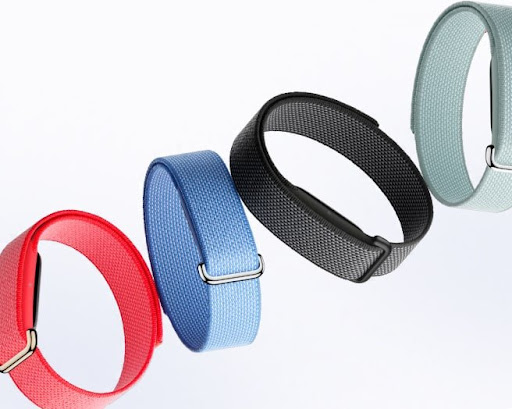
The Fitbit Air is Google's first screen-free tracker: a small "pebble" sensor in a soft band that watches your body around the clock and reports to the Google Health app. No display, no notifications, no buzzing. Google's pitch — "so comfortable, you'll forget it's there" — is aimed squarely at the two groups smartwatches have failed: people who hate wearing a screen to bed, and people who never wanted a second screen in the first place.
It launched May 7, 2026 at $99.99 (with a $129.99 Stephen Curry Special Edition featuring an airflow-engineered band), making it the cheapest serious entry in the screenless category — WHOOP starts at around $199 per year, and the Oura Ring runs $300+ plus its own subscription. Within a month, search interest in "Fitbit Air" had exploded to hundreds of thousands of queries — the moment the category went mainstream.
What Does the Fitbit Air Actually Track?
Sleep tracking you'll actually keep using
Full sleep stages, sleep score, and skin-temperature trends — captured every night because, at 12 grams, there's no reason to take the band off. This is the quiet superpower: sleep tracking only works if you wear the thing, and the Air is the most wearable tracker we've evaluated.
Heart health beyond step counting
24/7 heart rate, HRV, SpO2, and — unusual at this price — heart-rhythm monitoring with irregular-rhythm (AFib) alerts. For older buyers or anyone with a family history, this is a feature that used to require an Apple Watch.
A week of battery, and a brilliant fast charge
Up to 7 days per charge is good; the 5-minute fast charge that buys a full day is the real quality-of-life win. Top it up while you shower and you never lose a night of data.
No required subscription
Sleep, heart, activity and stress data are free in the Google Health app. The optional Google Health Premium adds personalized, Gemini-powered coaching — every Air includes a 3-month trial, so you can decide with real data whether it's worth paying for. (Our take: most people won't need it.)
Works with both iPhone and Android
iOS 16.4+ or Android 11+, one Google account, done. In a category where Google could have played platform games, it didn't.
What Are the Fitbit Air's Three Catches?
1. The Fitbit app is dead. The Air lives in the new Google Health app, and Google has retired the long-running Fitbit app. If you're a decade-long Fitbit user, expect migration friction — owner feedback in the first months has plenty of grumbling about moving history and re-learning layouts.
2. No screen means no live workout stats — and activity auto-detection is narrower than it looks on paper. Obvious, but worth saying: mid-run you can't glance at pace or heart rate. Beyond that, Google's support docs list 7 auto-detected activity types, but hands-on testing found the Air reliably categorizes only about 5 of them (walk, run, bike, elliptical, rowing) — strength training and most gym work have to be logged manually or don't get captured at all. See our full breakdown of what actually gets auto-tracked (and what doesn't) in our Fitbit Air workout tracking guide. Runners who train to zones, or anyone who lifts more than they run, will want a watch or should look at the Garmin Cirqa or the gym-focused Amazfit Helio Strap.
3. The best brains cost extra. The hardware is near cost — Google's plan is clearly to convert wearers into Health Premium subscribers. The free tier is genuinely useful, but the headline AI-coaching features you'll see advertised are Premium features. Budget for that honestly if coaching is why you're buying.
How Does the Fitbit Air Compare to the Competition?
| Band | Price (September 2026)* | Subscription | Battery | Best for |
|---|---|---|---|---|
| Fitbit Air | ~$99.99 | Optional | 7 days | Most people |
| Garmin Cirqa | ~$199.99 | None required | 10 days | Athletes |
| Amazfit Helio Strap | ~$99.99 | None | 10 days | Gym on a budget |
| Polar Loop | ~$169.99 | None | 8 days | Sleep-first minimalists |
| WHOOP 5.0 | from ~$199/yr | Required | 14+ days | Deep recovery coaching |
*Reference prices at the time of writing; check live listings. Full breakdown: our 2026 screen-free tracker comparison.
Fitbit Air Pros and Cons
- ✓ Lightest serious tracker on the market (12 g)
- ✓ Core data free — no required subscription
- ✓ AFib alerts + SpO2 + HRV at ~$99
- ✓ 7-day battery, 5-minute fast charge
- ✓ iPhone and Android support
- ✕ Best AI coaching requires optional Premium
- ✕ Google Health app migration pains for Fitbit veterans
- ✕ No live workout display — not a training watch
- ✕ Wrist-only wear — see our ankle-wear test if you're curious what happens off the wrist
Who Should Buy the Fitbit Air — and Who Shouldn't?
Buy the Fitbit Air if you…
- Want to understand your sleep without wearing a glowing screen to bed
- Left smartwatches because charging every night got old
- Want heart-rhythm peace of mind (AFib alerts) affordably
- Are buying your first health tracker and don't want a subscription trap
Look elsewhere if you…
- Train seriously and want readiness/recovery guidance → Garmin Cirqa
- Lift or do HYROX and want rep/set tracking → Amazfit Helio Strap
- Want the deepest recovery coaching available and accept a yearly fee → WHOOP 5.0
- Need live pace/HR mid-workout → any Garmin or Apple watch
Is the Fitbit Air Worth It? The Verdict
The Fitbit Air earns our 9.2/10 and Editor's Choice not by being the most powerful tracker here — it isn't — but by being the one with no real excuse not to buy. It's the lightest, the cheapest of the serious options, works with any phone, and refuses to hold your own health data hostage behind a mandatory subscription. The catches are real (app migration, Premium upsell, no live stats) but none of them break the core promise: effortless, always-on health data you'll actually keep collecting.
In a category WHOOP invented and priced like a gym membership, Google just shipped the people's version. That's why it sits at #1 in our screen-free tracker rankings.
Fitbit Air FAQ
Is the Fitbit Air worth it?
Yes, for most people. At around $99 (September 2026) it delivers sleep stages, 24/7 heart rate, AFib alerts, SpO2 and HRV with no required subscription, in the lightest band on the market. Athletes wanting deep training metrics should look at the Garmin Cirqa or WHOOP instead.
Does the Fitbit Air need a subscription?
No. Core health data is free in the Google Health app. The optional Google Health Premium adds Gemini-based AI coaching, and every Air includes a 3-month trial.
Does the Fitbit Air work with iPhone?
Yes — iOS 16.4+ and Android 11+, via the Google Health app with a Google account.
How long does the battery last?
Up to 7 days per charge; a 5-minute fast charge adds about a full day.
What happened to the Fitbit app?
Google retired it — the Air uses the new Google Health app. Long-time Fitbit users must migrate their accounts and history, which has been the most common early complaint.
Can I wear the Fitbit Air on my ankle instead of my wrist?
Google only officially supports wrist wear. Independent testing found ankle wear can work reasonably well for heart rate if worn on the outside of the ankle, but sleep tracking gets noticeably worse off the wrist — see our full ankle-wear test for the data.
Sources
- DC Rainmaker — Fitbit Air in-depth review: battery testing, AFib detection, subscription pricing.
- the5krunner — Google Fitbit Air review: sensor package, battery life, subscription model.
- Google — Get started with Google Fitbit Air: official Health Premium trial terms and Google Health app features.