Polar Loop Review: No Screen, No Fees — But Is It Worth $170?
Quick answer: The Polar Loop is a screen-free fitness band built around Polar's real sports-science sleep analytics — Nightly Recharge and SleepWise — with zero subscription of any kind, not even an optional tier. It costs about $169.99 once, weighs 29 grams, runs roughly 8 days per charge, and lands nearly $70 above the $99.99 Fitbit Air and Amazfit Helio Strap, which is the main catch. We score it 8.2/10: buy it if Polar's calm, notification-free approach and genuinely excellent sleep insights matter more to you than price, or you're already in the Polar ecosystem. It's not built for training — no GPS, no rep counting, and automatic workout detection is weaker than rivals — so gym-focused buyers should look at the Amazfit Helio Strap instead, and anyone who just wants the cheapest all-rounder should start with the Fitbit Air.
Somewhere in Finland, someone at Polar looked at the wearables market — the subscriptions, the AI coaches, the notifications about your notifications — and decided the right move was to build a band that does almost nothing. No screen. No buzzing. No monthly fee. You wear it, you live your life, and once a day you open an app that tells you how you actually slept.
Honestly? On most days we think they're onto something. The Polar Loop is the calmest device in the whole screen-free category, and the sleep analysis behind it is some of the best you can get at any price. But it launched into a market where two very good bands cost about a hundred bucks, and the Loop doesn't. That gap is the entire story of this review.
8.2 / 10
- Best for: sleep-first users, minimalists, and anyone who already trusts Polar's training science
- Standout: Nightly Recharge and SleepWise — real sports-lab sleep analytics, free forever
- Biggest drawback: costs a good $70 more than the Fitbit Air and Helio Strap, and the app experience has been bumpy for some early owners
- Price: around $169.99 at the time of writing (September 2026) — no subscription, ever
- Bottom line: a lovely, quiet tracker that's easy to recommend at a discount and harder at full price
What Is the Polar Loop?
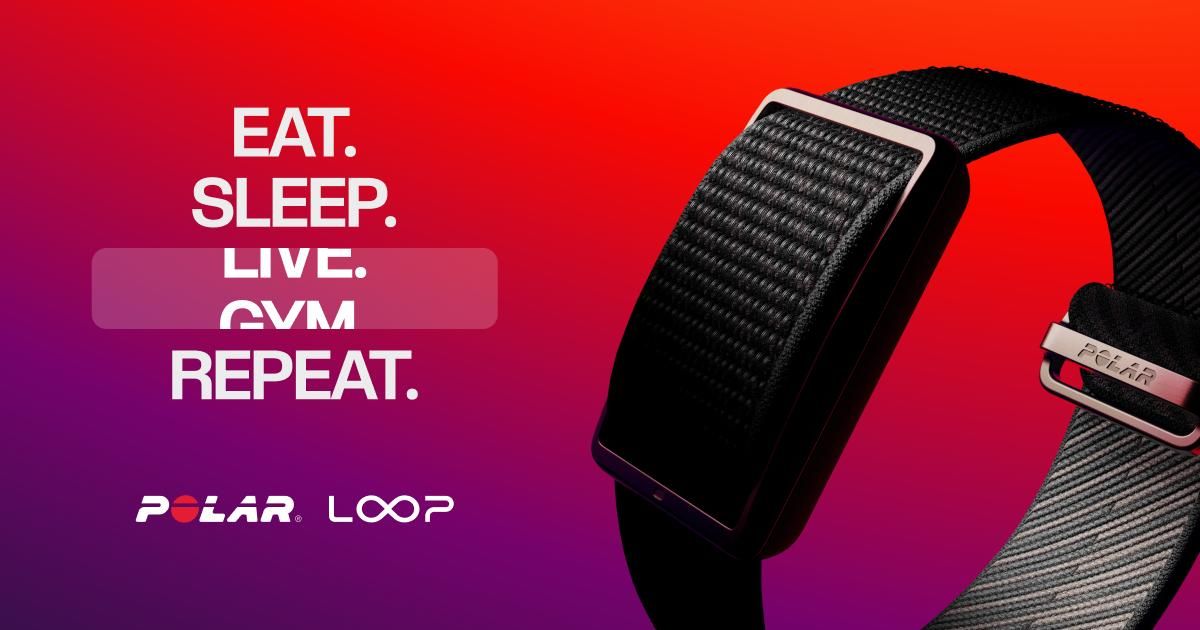
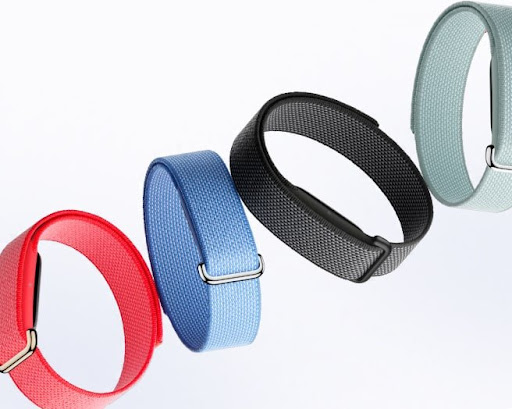
The Loop is Polar's answer to a question their own customers kept asking: "I love the data from my Polar watch, but do I have to wear a watch to bed?" It's a 29-gram fabric band with the same class of optical heart-rate sensor Polar puts in its sports watches, running about 8 days per charge over USB-C, water-resistant to 30 meters, tracking sleep, heart rate, and activity around the clock.
Everything lands in Polar Flow — the same free app Polar's marathoners and triathletes have used for years. That pedigree matters. Polar has been doing heart-rate science since the late 1970s (they invented the wireless HR monitor), and the Loop inherits analytics that most $99 bands simply don't have.
What Does the Polar Loop Do Well? Sleep Tracking That Tells You Something
Most trackers hand you a sleep score and call it a night. Polar's Nightly Recharge is more interesting: it compares how hard your autonomic nervous system worked overnight against your own baseline, then tells you whether your body actually recovered — not just whether you were horizontal for eight hours. Pair it with SleepWise, which forecasts how alert you'll feel through the coming day, and you get something rare in this category: data you can make a decision with. Skip the hard workout, take the nap, go to bed an hour earlier — the app will tell you which one, and in our research owners consistently describe these two features as the reason they keep wearing it.
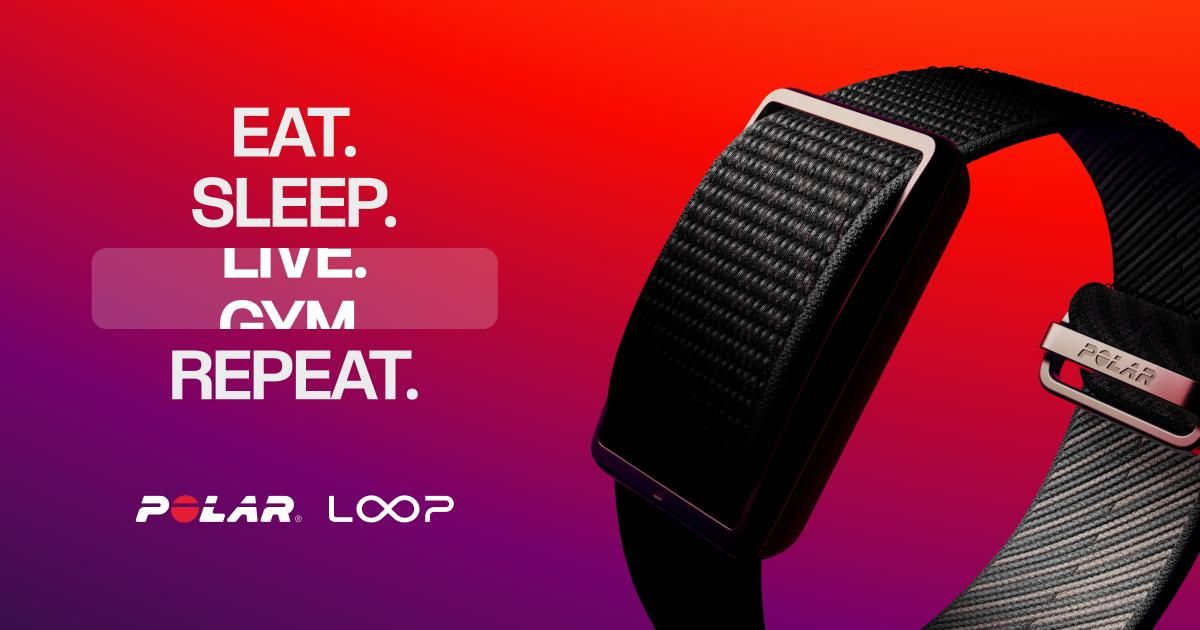
And because there's no screen, there's nothing glowing on your wrist at 2 a.m. It's the same argument we made for the Fitbit Air, and it holds here: the best sleep tracker is the one you forget you're wearing.
What Are the Polar Loop's Problems?
1. The price is awkward. At around $169.99 (September 2026), the Loop sits $70 above the Fitbit Air and Amazfit Helio Strap, but $30 below the Garmin Cirqa — without the Cirqa's training features or Garmin's app polish. Unless the sleep science specifically is what you're buying, the value math is hard to win.
2. Early owner feedback is genuinely mixed. We read through a lot of it, and a pattern shows up: people love the hardware and the battery, but a meaningful number hit friction with setup and phone syncing in the first weeks. Polar has been shipping app updates since the November 2025 launch, and recent reports look better — but check the latest reviews on the listing before you buy. We'd be doing you a disservice pretending the complaints don't exist.
3. It's for recovery, not training. No GPS, no rep counting, no live heart-rate broadcast. If your week revolves around the gym, the Helio Strap does more for less money. The Loop is for the other 23 hours.
How Does the Polar Loop Compare to Fitbit Air and WHOOP?
| Band | Price (September 2026)* | Subscription | Battery | Best for |
|---|---|---|---|---|
| Polar Loop | ~$169.99 | None | 8 days | Sleep & recovery minimalists |
| Fitbit Air | ~$99.99 | Optional | 7 days | Everyday health, best overall |
| Amazfit Helio Strap | ~$99.99 | None | 10 days | Gym & HYROX on a budget |
| Garmin Cirqa | ~$199.99 | None required | 10 days | Athletes, Garmin users |
| WHOOP 5.0 | from ~$199/yr | Required | 14+ days | Deep recovery coaching |
*Reference prices at the time of writing; check live listings. Full rankings: our 2026 screen-free tracker comparison.
Weighing the Loop against WHOOP specifically? Our full Polar Loop vs WHOOP comparison breaks down the 3-year cost math, the automatic-workout-detection gap and the ECG question in detail.
Polar Loop Pros and Cons
- ✓ Polar's sleep science — Nightly Recharge, SleepWise — free forever
- ✓ Genuinely calm: no screen, no buzzing, no upsells
- ✓ Comfortable 29g band, 8-day battery, USB-C
- ✓ Automatic training detection for walks, runs, rides
- ✓ 50 years of heart-rate pedigree behind the data
- ✕ ~$70 pricier than the two $99 rivals
- ✕ Mixed early owner feedback on setup and syncing
- ✕ No GPS, no strength-training features
Who Should Buy the Polar Loop — and Who Shouldn't?
Buy the Polar Loop if you…
- Care about sleep and recovery more than workouts — this is the best pure sleep band here
- Already own a Polar watch and want 24/7 data in the same Flow ecosystem
- Want the quietest possible device with zero recurring fees
- Catch it on sale — at $130 or less, most of our hesitation disappears
Look elsewhere if you…
- Want the best all-rounder for the money → Fitbit Air
- Train hard and want reps, sets and arm wear → Amazfit Helio Strap
- Want serious training guidance without a subscription → Garmin Cirqa
Is the Polar Loop Worth $170? The Verdict
We keep coming back to one image: the Loop is the tracker equivalent of a good blackout curtain. It does one job — telling you honestly how recovered you are — beautifully, silently, and with no meter running. That focus earns it 8.2/10 and the sleep-first slot in our 2026 rankings.
What keeps the score from climbing higher isn't the hardware, it's the market. Two very good bands cost $99, and the Loop's extra $70 buys better sleep analytics but a bumpier app. If that trade reads as obviously worth it to you — you're exactly who this band is for. Everyone else should watch for the sale.
Polar Loop FAQ
Does the Polar Loop require a subscription?
No. Everything it tracks lives in the free Polar Flow app — there's no premium tier at all, which is rarer than it should be in 2026.
Is it good for sleep tracking?
It's the main reason to buy one. Nightly Recharge and SleepWise are the same analytics Polar ships on its sports watches, and they tell you how recovered you are, not just how long you slept.
Does it have GPS or a screen?
Neither, on purpose. Outdoor workouts borrow your phone's GPS. If you want a screen, you want a Polar watch, not a Loop.
Polar Loop vs Fitbit Air — which one?
For most people the Fitbit Air: it's cheaper and smoother. Pick the Loop if Polar's deeper sleep science is the thing you actually want, or you're already in the Polar ecosystem.
Does it work with iPhone and Android?
Yes, both, through the free Polar Flow app.
Sources
- Polar — Polar Loop official product page: battery life, weight, water resistance and Nightly Recharge/SleepWise features.
- the5krunner — Polar Loop review: independent assessment of the Flow app's software issues and how the Loop compares to WHOOP.