Garmin Cirqa vs Fitbit Air: Which Screen-Free Tracker Should You Buy?
Quick answer: The Google Fitbit Air (~$99.99, 12 grams, 7-day battery) is the better buy for most people — it covers sleep, heart rhythm and HRV at roughly half the price of the Garmin Cirqa (~$199.99, 10-day battery), and neither band requires a subscription for its core data. Serious athletes and existing Garmin-ecosystem users should pay the premium: the Cirqa adds Training Readiness, HRV Status, VO2 max and Body Battery, all free forever in Garmin Connect, plus wrist-or-upper-arm wear for better accuracy during lifts. The Air's real catch is that its deepest AI coaching sits behind an optional Google Health Premium subscription; the Cirqa's is that its live heart-rate graph mid-workout needs the optional Connect+ tier. If you want deeper recovery coaching than either offers and don't mind paying yearly, WHOOP is the step up from here.
Garmin just walked into the screen-free tracker fight. With the Cirqa Smart Band (launched July 24, 2026), Garmin now sells a direct rival to Google's Fitbit Air — the $99-ish band that took screenless tracking mainstream this spring. Both promise the same core idea: 24/7 health and fitness data with no screen, no notifications, and no required subscription.
So which one belongs on your wrist? The short answer: the Fitbit Air is the better buy for most people — it costs roughly half as much and does everything a casual user needs. But if you train seriously, or you already live in the Garmin ecosystem, the Cirqa justifies its premium with a genuinely deeper training toolkit.
By the end of this post, you'll know exactly which one to pick.
- Best for most people: Google Fitbit Air — the core health data (sleep, heart rhythm, HRV) at around half Cirqa's price, in the lightest band on the market.
- Best for athletes: Garmin Cirqa — Training Readiness, HRV Status, VO2 max and Body Battery, all free in Garmin Connect, with 10-day battery and upper-arm wear.
- Skip both if you want deep recovery coaching that tells you what to do daily — that's still WHOOP's territory (with a required membership).
Google Fitbit Air: Overview
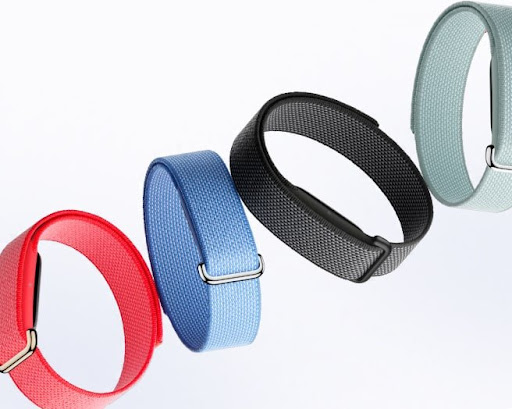
The Fitbit Air is Google's bet that most people don't actually want a smartwatch — they want the data without the screen. Launched May 7, 2026 at around $99.99 (price at the time of writing; check the live listing), it's a 12-gram "pebble" tracker that Google markets as "so comfortable, you'll forget it's there." That claim mostly holds: it's less than half the weight of a typical smartwatch and lighter than every rival band in this category.
Despite the size, the sensor package is serious: 24/7 heart rate, heart-rhythm monitoring with AFib alerts, SpO2, HRV, skin temperature and full sleep-stage tracking. Battery runs up to 7 days, and a 5-minute fast charge buys a full day — genuinely useful when you realize at bedtime that the band is dead.
Data lives in the new Google Health app (the old Fitbit app is retired), and here's the important part: the core metrics are free. Google sells an optional Health Premium subscription with Gemini-powered coaching — every Air ships with a 3-month trial — but sleep, heart and activity data don't sit behind the paywall. It works with both iPhone and Android.
Garmin Cirqa: Overview
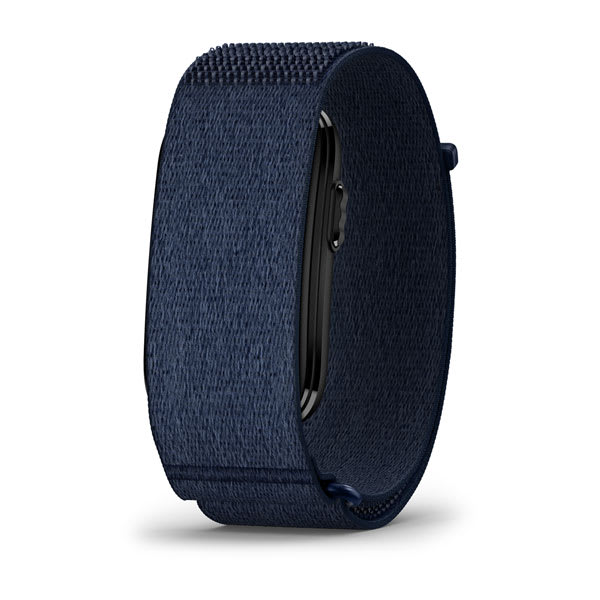
Announced July 21 and shipping from July 24, 2026, the Cirqa Smart Band is Garmin's first screen-free tracker — and its most direct shot at WHOOP. Launch price is around $199.99 (July 2026; check the live listing).
The pitch is classic Garmin: take the sensor and analytics stack from its sports watches, drop the screen, and charge no subscription. The Cirqa uses Garmin's Elevate optical heart-rate sensor in a fabric-loop design you can wear on the wrist or upper arm — a big deal for lifters and HIIT athletes, because wrist optical sensors notoriously struggle during hard efforts.
What you get in the free Garmin Connect app is the full training suite: Body Battery energy monitoring, Training Readiness, HRV Status, VO2 max estimates, recovery time, stress, Pulse Ox, skin temperature, sleep with automatic nap detection, and tracking for more than 80 activities (started with a physical button on the band — no phone required mid-workout). Women's health tracking is included, with skin-temperature-based period predictions and optional sync to the FDA-cleared Natural Cycles app.
Battery is quoted at up to 10 days, and the band carries a 5 ATM swim rating.
Garmin Cirqa vs Fitbit Air: Spec Comparison Table
| Feature | Fitbit Air | Garmin Cirqa |
|---|---|---|
| Launch price (July 2026)* | ~$99.99 | ~$199.99 |
| Weight | 12 g — lightest in class | Heavier fabric loop |
| Battery | Up to 7 days (5-min fast charge) | Up to 10 days |
| Required subscription | ❌ None (optional Premium) | ❌ None (optional Connect+) |
| Training metrics free | ⚠️ Basics free; AI coaching paid | ✅ Full suite free |
| Heart rhythm / AFib alerts | ✅ Yes | ⚠️ Not a headline feature |
| Sleep tracking | ✅ Full stages | ✅ Full stages + nap detection |
| Wear position | Wrist only | ✅ Wrist or upper arm |
| Activity tracking | Auto + app | 80+ activities, on-band button |
| Water rating | Swim-friendly | 5 ATM |
| App | Google Health (new) | Garmin Connect (mature) |
| Phone support | ✅ iOS + Android | ✅ iOS + Android |
*Prices reflect the time of writing and change frequently — the live Amazon listing always governs.
Battery Life: Cirqa Wins, Air Counters
On paper the Cirqa's 10 days beats the Air's 7 — three extra days matters when the whole point of a screenless band is to wear it and forget it. Every charge is a night of lost sleep data.
But the Air has one trick the spec sheet undersells: its 5-minute fast charge covers a full day. In practice that means you can top up while you shower and effectively never take the band off overnight. The Cirqa charges less often but has no equivalent quick-top-up headline.
Winner: Cirqa for raw endurance, but the gap is smaller in real life than on paper.
Training Depth: Not Close — Cirqa
This is where the price difference lives. The Fitbit Air tells you what happened: heart rate, workouts, sleep quality, HRV trends. The Cirqa tells you what it means for training: Training Readiness scores each morning, HRV Status trends against your baseline, VO2 max, recovery-time estimates after each session, and Body Battery to budget your day's energy.
Add upper-arm wear (better optical accuracy during lifting and intervals) and the on-band activity button, and the Cirqa is simply built for people who train with intent. The Air isn't trying to compete here — and note that Fitbit's deeper AI coaching sits behind the optional Premium subscription, while Garmin gives its full training suite away free.
Winner: Cirqa, decisively.
Everyday Health & Comfort: Air
Flip the audience and the verdict flips. At 12 grams the Air disappears on the wrist in a way nothing else in this category matches — and comfort is compliance: the band you forget is the band you actually wear every night. Its heart-rhythm monitoring with AFib alerts is a genuine health-safety feature the Cirqa doesn't lead with, and at around half the price, the value for a casual user is hard to argue with.
The Google Health app is the one caveat — it's new, and long-time Fitbit users are still adjusting to the migration. Garmin Connect is the more mature platform, but it's also built for athletes and can feel like a cockpit when all you want is last night's sleep score.
Winner: Air for everyday health tracking, comfort and value.
What Do the Cirqa and Air Cost Over a Year?
| Cost over 1 year* | Fitbit Air | Garmin Cirqa |
|---|---|---|
| Hardware | ~$99.99 | ~$199.99 |
| Required subscription | $0 | $0 |
| Optional tier | Health Premium (3-mo trial incl.) | Connect+ (not needed for core) |
| Total (core experience) | ~$100 | ~$200 |
*July 2026 reference prices — check live listings.
For context, WHOOP — the category leader both are chasing — runs from around $199 per year, every year. Either of these bands costs less over two years than one year of WHOOP.
Cirqa vs Air: Pros and Cons
Fitbit Air
- ✓ Around half the Cirqa's price (September 2026)
- ✓ Lightest serious tracker on the market (12 g)
- ✓ AFib alerts + heart-rhythm monitoring
- ✓ 5-minute fast charge = full day
- ✓ Works with iPhone and Android
- ✕ Deeper AI coaching requires optional Premium
- ✕ Google Health app is new — migration growing pains
- ✕ Wrist-only wear; training analytics are basic
Garmin Cirqa
- ✓ Full Garmin training stack, free — no subscription
- ✓ 10-day battery, 5 ATM
- ✓ Wrist or upper-arm wear for accurate hard-session HR
- ✓ On-band button to start 80+ activities
- ✓ Slots into an existing Garmin watch ecosystem
- ✕ Around double the Air's price
- ✕ Uses Garmin's last-gen (Elevate 4) sensor, per early reports
- ✕ Brand new — no long-term owner track record yet (we'll update)
Who Should Choose the Cirqa — and Who the Air?
Choose the Fitbit Air if you…
- Want sleep, heart and activity data without thinking about it
- Care about comfort above all (or have abandoned watches for being annoying at night)
- Want AFib/heart-rhythm alerts for peace of mind
- Have a ~$100 budget
Choose the Garmin Cirqa if you…
- Run, lift, ride or race and will actually use readiness/recovery metrics
- Already own a Garmin watch and want 24/7 data feeding the same Connect account
- Want WHOOP-style training insight without a yearly fee
- Wear a band on the upper arm for lifting or HIIT
Garmin Cirqa or Fitbit Air? The Verdict
The Fitbit Air is the better choice for most people. It nails the fundamentals of screen-free tracking — sleep, heart health, all-day comfort — at around half the price, and its core data needs no subscription. For the casual majority, the extra $100 for the Cirqa buys analytics they'll never open.
The exception is real, though: if you train with structure, the Cirqa is worth every dollar of its premium. It's the closest thing to WHOOP's insight with no membership fee, and the upper-arm option fixes the biggest accuracy weakness of wrist wearables. Garmin-watch owners should skip the Air entirely — Cirqa is the obvious companion.
Garmin Cirqa vs Fitbit Air FAQ
Is the Garmin Cirqa better than the Fitbit Air?
For athletes, yes — its free training analytics (Training Readiness, HRV Status, VO2 max) go far beyond the Air. For everyday health tracking, the Air delivers the essentials at around half the price, making it the better value for most people.
Which is cheaper, the Cirqa or the Fitbit Air?
The Fitbit Air — around $99.99 vs the Cirqa's $199.99 at launch (July 2026 prices; both change frequently, so check the live Amazon listings).
Do the Fitbit Air or Garmin Cirqa require a subscription?
No — that's the headline for both. Each offers an optional paid tier (Google Health Premium, Garmin Connect+), but core tracking is free. This is the key difference from WHOOP, which requires a membership.
When did the Garmin Cirqa come out?
Garmin announced the Cirqa on July 21, 2026, with orders opening July 24, 2026, at a suggested price of $199.99.
Can the Cirqa be worn on the upper arm?
Yes — the fabric-loop design supports wrist or upper-arm wear. The Fitbit Air is wrist-only. See our Cirqa accessories guide for what's true about that arm band on Amazon, plus which wristband colors and sizes are actually in stock.
Should I get the Cirqa or a WHOOP instead?
Get the Cirqa if you refuse recurring fees — it covers most of WHOOP's ground with no membership. Choose WHOOP if you want the deepest recovery coaching and don't mind paying from around $199/yr for it.
Sources
- DC Rainmaker — Garmin Cirqa hands-on: training stack, Connect+ boundaries, upper-arm wear.
- the5krunner — Cirqa specifications: sensor, battery and water-rating specs.
- Google — Get started with Google Fitbit Air: Air's battery, subscription and app details used in this comparison.