Smart Ring vs Screen-Free Band: Which Should You Actually Buy?
Quick answer: Choose a smart ring (RingConn Gen 3 at ~$349 once, or Oura Ring 5 at $399+ plus ~$5.99/month) if sleep and recovery are your priority — a finger gives excellent resting heart-rate and HRV signal, and battery life runs anywhere from 5 to 14 days depending on the model. Choose a screen-free band (Fitbit Air at ~$99.99, or the gym-focused Amazfit Helio Strap) instead if you work out: rings can't broadcast live heart rate to gym equipment and most people take them off for lifting, which breaks 24/7 tracking entirely. On budget, a $99 band covers most needs with no subscription required; no-subscription rings start around $199 with the RingConn Gen 2 Air. The one ring to skip entirely right now is the Ultrahuman Ring Air, caught in a US import ban as of mid-2026.
Once you've decided you want health tracking without another screen in your life — and if you're reading this site, you probably have — you hit a fork in the road. Do you put the sensor on your wrist, like the Fitbit Air and the rest of our band rankings? Or on your finger, like the Oura Ring that half your coworkers seem to be wearing now?
We've spent months in this category, and here's the honest answer: they're not really competitors. Rings and bands are good at different things, and picking wrong is how a $300 gadget ends up in a drawer. Three questions settle it.
Question 1: What Are You Actually Tracking?
If the answer is mostly sleep and recovery, the ring has a real case. A finger is a genuinely great place to measure resting heart rate and HRV — good signal, snug fit, and a ring is even less noticeable in bed than a 12-gram band. This is why Oura built its whole brand on sleep.
If workouts are in the picture, the band wins, and it isn't close. Rings can't broadcast live heart rate to gym equipment the way the Helio Strap can, they can't count reps, and — a thing nobody tells you before you buy — lifting weights with a metal ring on is somewhere between uncomfortable and impossible. Ring owners take them off for deadlifts; then your "24/7 tracker" just missed your workout.
Question 2: How Do You Feel About Subscriptions?
This one splits the ring market right down the middle.
Oura makes the best-known ring, and the hardware is genuinely lovely — but full access to your own data costs around $5.99/month (September 2026) on top of a $399+ ring. It's the WHOOP model: great product, meter always running.
RingConn is the opposite bet: buy the ring once, standard features are free forever. Sound familiar? It's the same reason the Helio Strap and Garmin Cirqa exist on the band side. If the "no subscription" filter brought you to Kudomax, RingConn is your ring brand — full stop. Their brand-new Gen 3 (May 2026) even out-batteries every ring on the market.
(A note on Ultrahuman, the other big no-subscription ring: as of mid-2026 it's caught in a US import ban from its patent fight with Oura. Until that clears, we can't recommend US readers buy one, however nice the hardware is.)
Question 3: What's the Budget?
Rings run roughly double their band equivalents. The band lineup runs from around $99 (Fitbit Air, Helio Strap) to around $200 (Cirqa). Rings start around $199 for the RingConn Gen 2 Air and climb through $349 for the RingConn Gen 3 to $399–499 for the Oura Ring 5 — before its membership. Same sensors, fancier jewelry. You're partly paying for titanium and partly for invisibility.
Which Smart Rings Are Worth Buying in 2026?
Oura Ring 5 — the polished one (if you'll pay the membership)
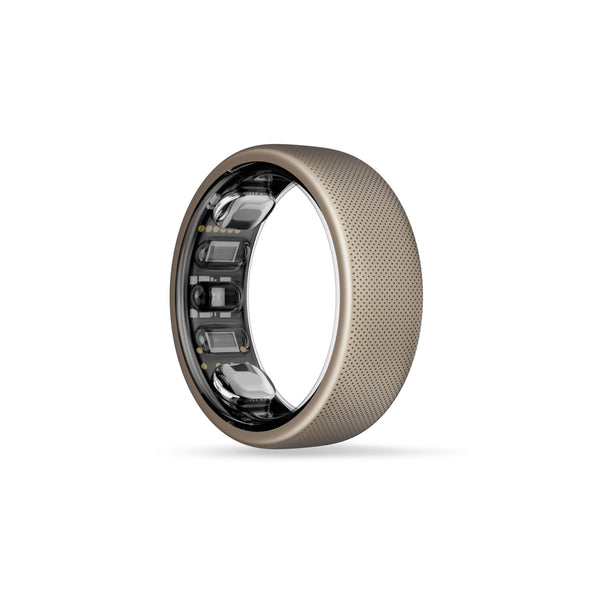
Launched June 4, 2026, the Ring 5 is Oura's best hardware yet — noticeably smaller and lighter than the Ring 4, up to a claimed 9 days of battery, and new tricks like overnight blood-pressure trend monitoring rolling out this year. The app is the slickest in the ring world. Just go in clear-eyed about the math: around $399 (silver; premium finishes higher, July 2026) plus roughly $5.99/month, and buy the sizing kit first — Oura sizes don't match standard ring sizes.
RingConn Gen 3 — the no-subscription flagship
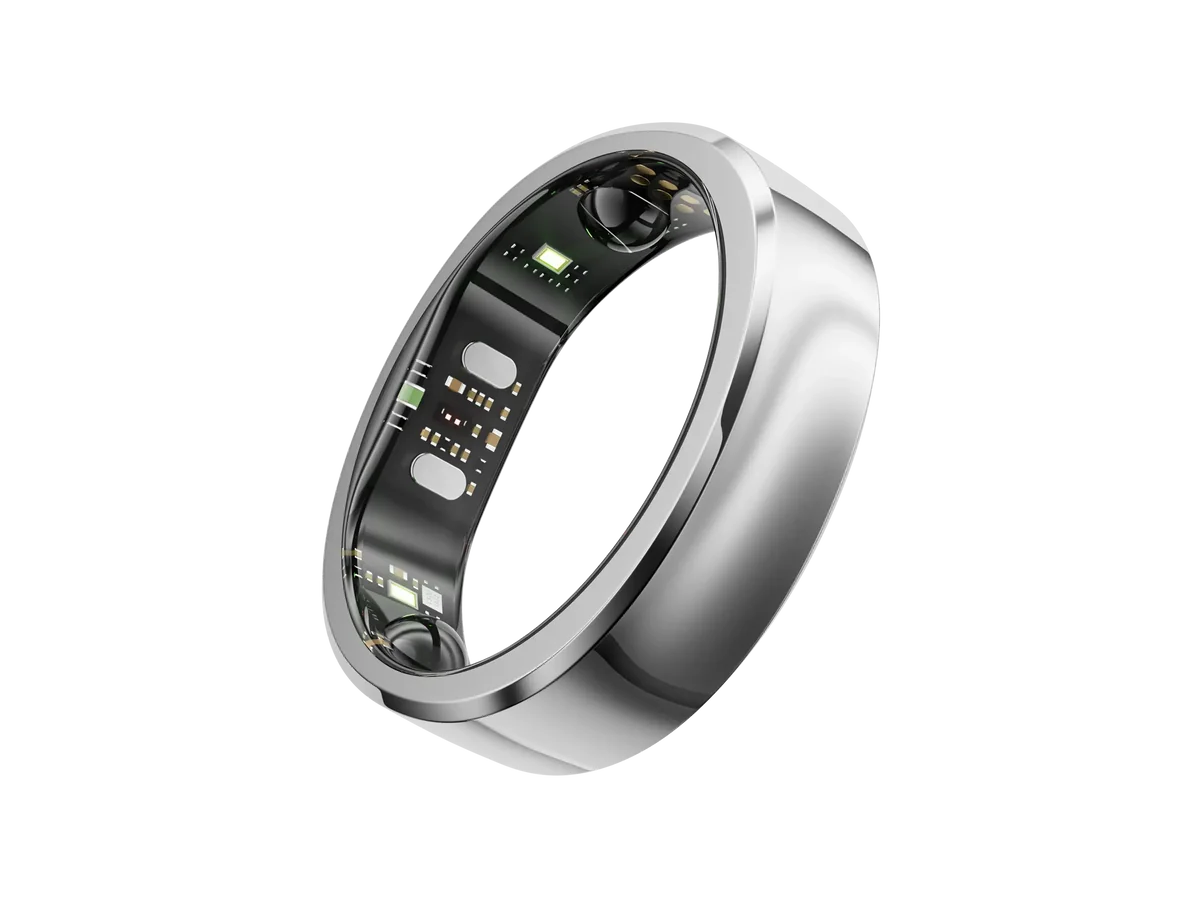
Launched May 29, 2026, and it did over $10 million in sales in its first 20 days of pre-orders — the market has clearly been waiting for exactly this ring. Around $349 (September 2026) buys a 14-day battery (best of any ring here), gentle vibration alerts, a universal charging case, and a genuinely new trick: overnight vascular-health trends. And the RingConn deal still applies — no app subscription, ever. If you want the best ring money can buy without a monthly fee attached, this is it — our full RingConn Gen 3 review digs into two months of owner reports. The older Gen 2 (around $299, with the pioneering sleep-apnea monitoring) sticks around and dips on sale, if you want most of the experience for less.
RingConn Gen 2 Air — the budget door into rings
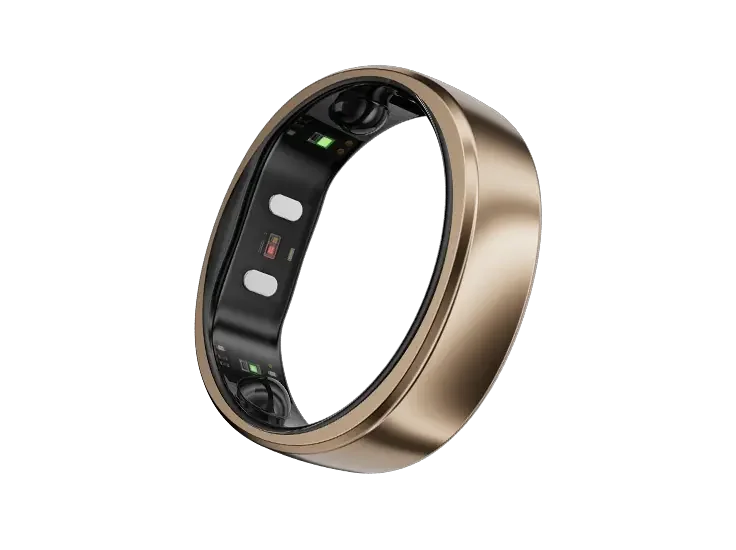
Around $199 (September 2026), this is the cheapest credible smart ring from a brand that's earned trust: ultra-thin titanium, 10-day battery, no fee for standard features, HSA/FSA eligible. You give up the vascular tricks, sleep-apnea monitoring and the charging case. At the same price as a Garmin Cirqa, it's the cleanest low-risk experiment in this guide. If even $199 is more than you want to risk, we've looked at cheap smart rings under $60 too — with honest caveats.
Ring vs Band, Side by Side
| Smart Ring | Screen-Free Band | |
|---|---|---|
| Sleep & recovery | Excellent — the ring's home turf | Excellent (Loop, Air) to great |
| Workouts & gym | Weak — no rep tracking, off for lifting | Strong — arm wear, HR broadcast, sport modes |
| Invisibility | Total — it's jewelry | Subtle but visible |
| Battery | 5–14 days | 7–14 days |
| Typical price (September 2026)* | ~$199–499 | ~$99–199 |
| Subscription | Oura: yes · RingConn: no | Mostly no (WHOOP: yes) |
| Sizing hassle | Real — order the sizing kit first | None |
*Reference prices at the time of writing; check live listings for current pricing.
So — Ring or Band?
- You mostly want sleep/recovery data and hate wearing things on your wrist → ring. RingConn Gen 3 if you're subscription-averse, Oura Ring 5 if you want the most polished app and don't mind the fee.
- You work out more than twice a week → band. Start with our 2026 band rankings — the Fitbit Air for most people, the Helio Strap for gym rats.
- You're curious about rings but $400 feels silly → RingConn Gen 2 Air at ~$199 is the low-risk experiment.
- You genuinely want both jobs done well → some people run a ring for 24/7 recovery plus a cheap band or chest strap just for training. It's not overkill if you'll actually use the data.
Smart Ring vs Band FAQ
Are smart rings more accurate than bands?
At rest and overnight, rings are excellent. During training — especially lifting and intervals — bands worn on the wrist or upper arm hold up better. Neither replaces a chest strap for hard intervals.
Do smart rings require a subscription?
Oura does (around $5.99/month, July 2026, for full features). RingConn doesn't for its standard features. That difference is most of the reason both brands appear in this guide.
Can I wear a ring and a band together?
Sure — ring 24/7 for recovery, band during workouts is a popular combo. If you'd rather own one device, answer the workout question above and it picks itself.
Why no Ultrahuman Ring Air?
US import ban as of mid-2026, following its patent dispute with Oura. Until that's resolved we can't recommend it to US readers, regardless of the hardware's merits.
Do rings work with iPhone and Android?
All three picks here support both.
Sources
- Oura — Oura Ring Membership: confirms the $5.99/month fee and which features require it.
- Gadgets & Wearables — Ultrahuman-Oura ITC dispute coverage: the US import ban on Ultrahuman Ring Air.
- RingConn — RingConn Gen 3 product page: no-subscription policy for the alternative brand discussed.