What to Buy When Your Oura Ring (or WHOOP) Says Your Sleep Score Is Bad
Quick answer: A single bad sleep score almost never means your ring or band is broken — it means something changed in the room or in your head before you fell asleep. The three levers that actually move a sleep score are light exposure timing, bedroom temperature, and how wound-up you were at bedtime. A weighted blanket addresses the third one directly (real evidence behind it, though strongest for anxiety-driven insomnia rather than every case), and a sunrise alarm clock addresses the first one by easing you out of sleep instead of blasting you awake. Neither is an upgrade for your wrist — they're upgrades for the eight hours your wrist is just along for the ride.
You wake up, check your phone before your feet hit the floor, and there it is: 61. Or "Poor." Or a red bar where yesterday there was a green one. Nothing about last night felt unusual — you went to bed around the same time, you didn't drink, you didn't have a rough day. And yet the number says otherwise, and now you're spending your coffee trying to figure out what you did wrong.
Here's the part nobody selling you a $400 ring mentions upfront: the ring only watches. It doesn't dim your lights, cool your room, or talk your brain out of replaying an email at 11 p.m. Every one of those is still entirely on you — the ring just grades the outcome. So if the score keeps landing low, the fix usually isn't a firmware update. It's addressing whichever of a few specific things actually changed.
If you're specifically chasing a WHOOP Recovery Score rather than the general Sleep Score this page covers, that's a different metric with a different fix — see our dedicated Recovery Score guide.
Is It the Ring's Fault, or the Room's?
Sleep scores from Oura, WHOOP, Fitbit and the rest are built from the same handful of raw inputs: heart rate variability, resting heart rate versus your baseline, how much you moved, how long you were actually asleep versus in bed, and — on some devices — skin temperature deviation. None of that is a direct measurement of "good sleep." It's a proxy, built from what a sensor on your wrist or finger can actually detect, run through an algorithm that compares last night to your personal average.
Which means a low score is really the algorithm saying something in these numbers looked different than usual — and the three things that most reliably shift those numbers aren't anything the hardware can fix on its own.
Could Your Ring's Fit Be Faking a Bad Score?
Before spending a dollar on your bedroom, it's worth ten minutes ruling this out. A smart ring that's even slightly loose rotates and lifts off the skin through the night, and every one of those micro-gaps shows up in the data as a dropout or a movement spike — which the scoring algorithm reads as restlessness, not as "the sensor briefly stopped touching skin." A band that's too loose on the wrist has the same problem. If your score tanked right after switching devices or sizes, check the fit before you touch anything else. We wrote a full Oura Ring 5 sizing guide because how often this exact thing trips people up — getting the size right isn't a comfort issue, it's the difference between real data and expensive noise.
What Actually Moves a Sleep Score?
Once the device itself is ruled out, it comes down to three levers, and they map cleanly onto what the score is measuring:
- Light exposure timing. Bright light before bed delays melatonin; harsh light at wake-up creates the grogginess trackers read as poor "readiness."
- Room temperature. Your core temperature has to drop for deep sleep to kick in — a warm room fights that directly and shows up as more movement, lower HRV.
- Bedtime arousal — a racing mind or a tense body. Anxiety keeps your nervous system in a lightly activated state, which is exactly what suppresses HRV and lengthens time-to-fall-asleep.
Two of those three have a specific, well-tested piece of gear behind them. Here's what the evidence actually says about each.
Does a Weighted Blanket Really Improve Your Sleep Score?
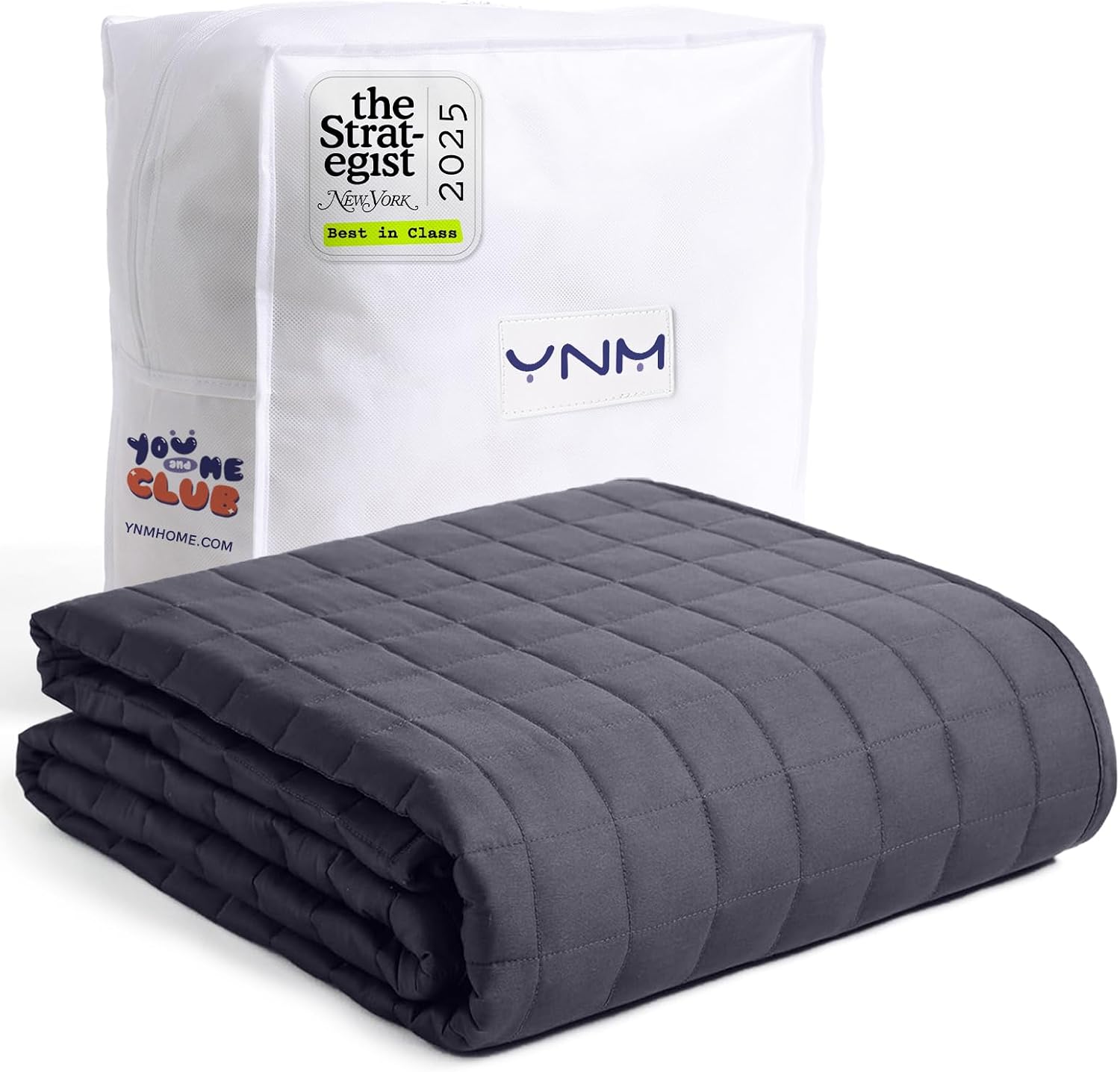
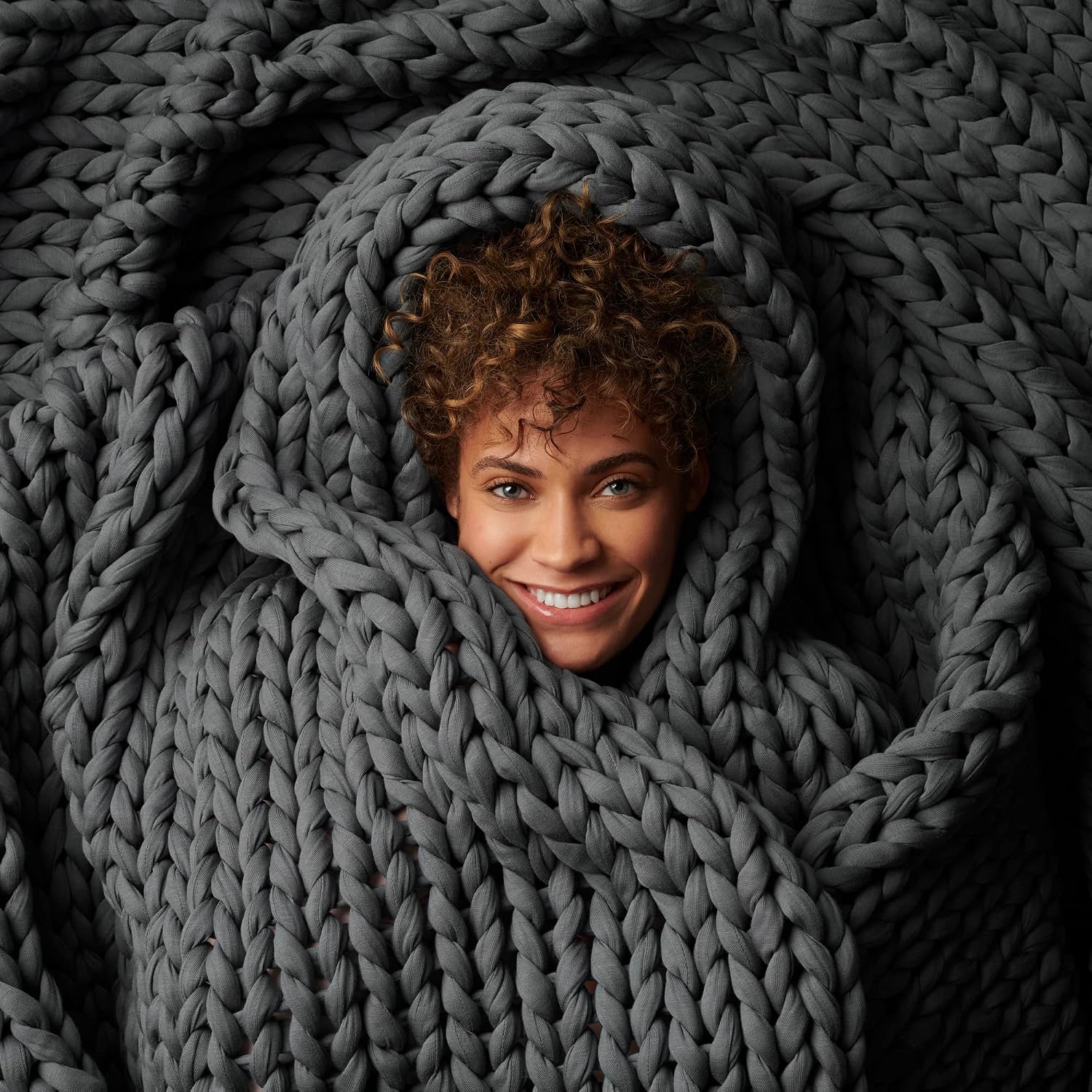
The mechanism is deep pressure stimulation — the same principle behind a firm hug or a swaddled baby. Even, distributed weight across the body is thought to calm the nervous system enough to lower the kind of pre-sleep arousal that keeps HRV suppressed and makes falling asleep take longer than it should.
That's not just marketing copy. A 2024 pilot randomized controlled trial in adults with clinical insomnia found the weighted blanket group improved significantly more on a standard sleep-quality score than the control group after one month, with similar gains in daytime sleepiness, stress and anxiety.1 A separate 2020 randomized trial in patients with psychiatric conditions including anxiety and ADHD found the weighted-blanket group was far more likely to see a meaningful drop in insomnia severity than the control group.2 We'll be honest about the limits, though: an earlier randomized trial in autistic children found kids and parents strongly preferred sleeping under the weighted blanket, but it didn't produce a statistically significant change in objectively measured sleep time.3 Translation — the evidence is real and it's strongest for people whose bad nights come from an anxious or overstimulated bedtime, which describes a lot of low-score nights but not all of them.
For a budget-friendly entry point, the YnM 12lb Weighted Blanket is a long-running, heavily reviewed pick that uses glass beads instead of plastic pellets for the weight — they're smaller and denser, so the blanket drapes rather than feeling lumpy, and they stay cooler against skin than most alternatives. It runs around $50-$60 and comes in multiple weights, which matters more than people expect: the general guidance is roughly 10% of your body weight, so sizing it right is part of getting the pressure effect to actually work.
Does a Sunrise Alarm Clock Fix a Low Score, or Just a Groggy Morning?
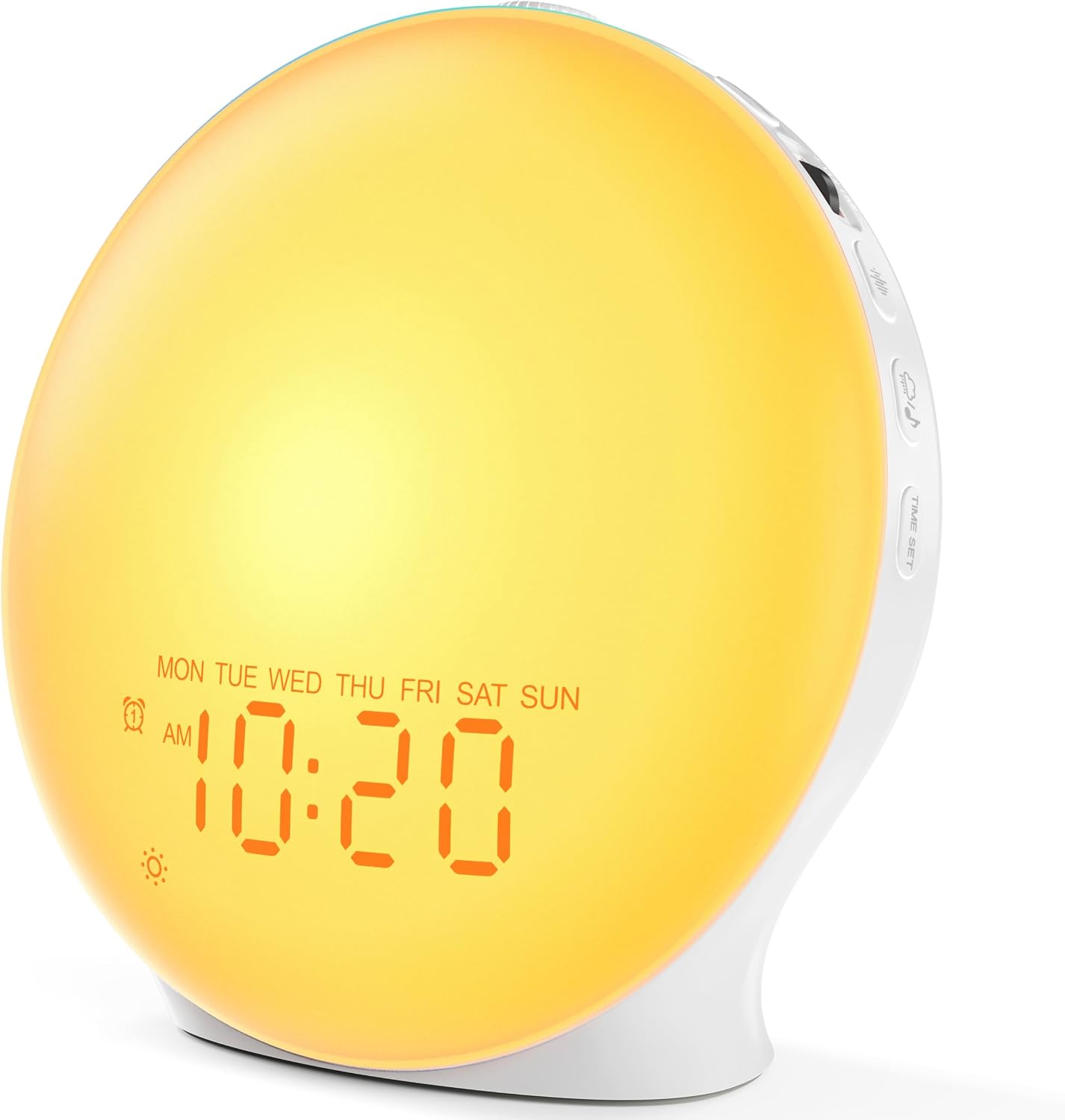
This one works on a completely different lever, and it's worth being precise about what it does and doesn't do. A sunrise alarm clock gradually brightens over 20-30 minutes before your alarm time instead of hitting you with either full brightness or a jarring sound from total darkness. Research measuring the effect on sleep inertia — the grogginess and impaired alertness right after waking — found that dawn simulation meaningfully reduced it and improved mood and performance in the minutes after waking, compared with an abrupt alarm.4 That reduction in wake-up grogginess is exactly the kind of thing that feeds into the "readiness" or "recovery" half of a lot of sleep-tracker scoring.
What it doesn't do is put you to sleep faster or make your deep sleep deeper — that's the weighted blanket's job, not the lamp's. Think of it as fixing how the night ends, not how it goes in the middle.
The JALL Sunrise Alarm Clock is a solid entry-price pick that bundles the gradual light with a built-in white noise machine, useful if a partner's breathing or street noise is part of your problem too. It runs around $35-$40 and covers both ends of the light-timing lever — dimming down at night, brightening up at wake.
What About Room Temperature?
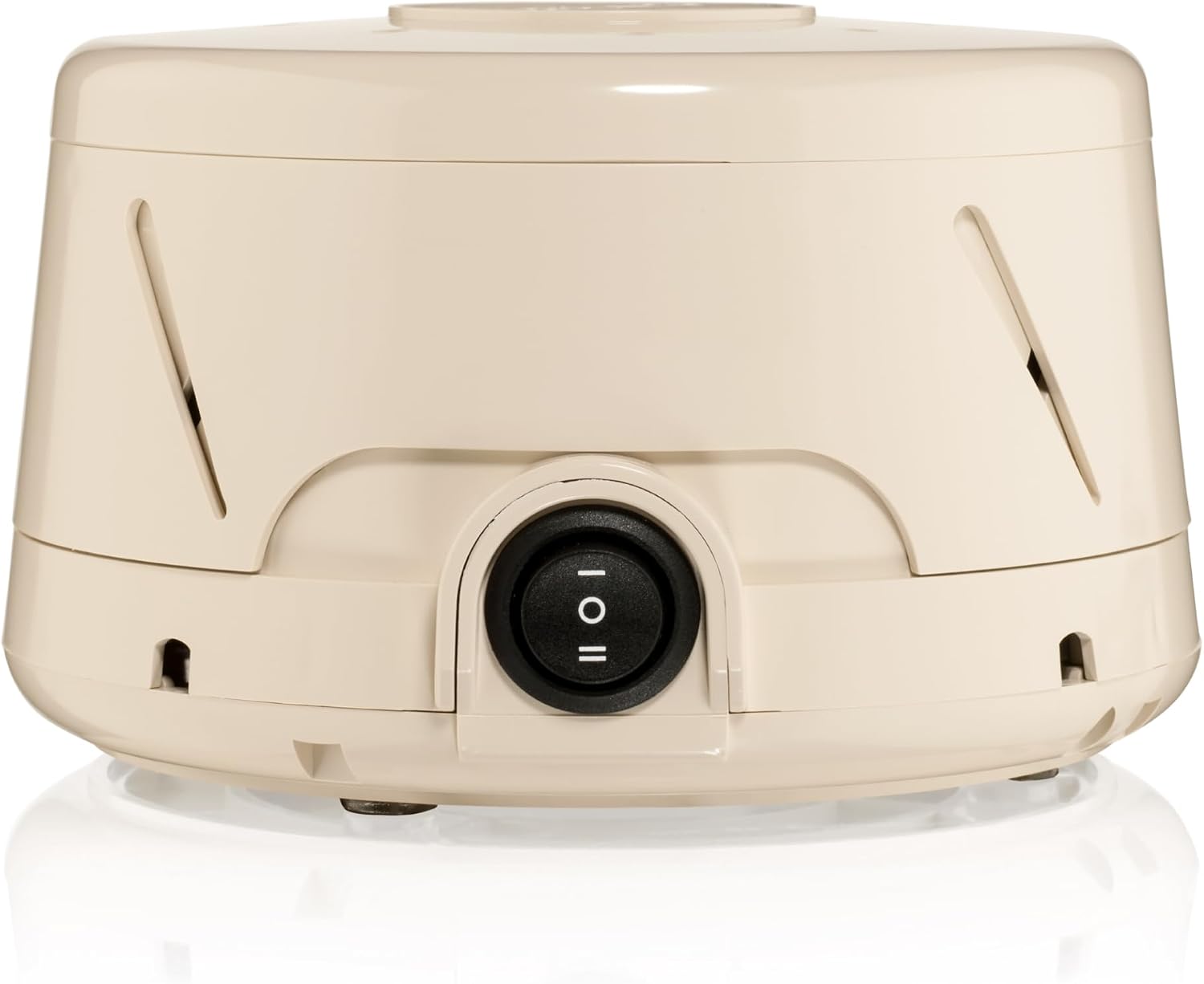
The third lever doesn't have a single obvious product attached to it the way light and pressure do, but it's worth naming because it's often the cheapest fix of the three: most sleep guidance points to somewhere around 65-68°F (18-20°C) as the range that lets core body temperature drop enough to support deep sleep. If your thermostat schedule doesn't already cool the bedroom before bedtime, that's a free change to test before buying anything. It's also part of why the glass-bead filling in a blanket like the YnM matters more than it sounds — a weighted blanket that traps heat can undo the pressure benefit by fighting this exact lever instead of helping it.
If you're still deciding which tracker should even be giving you this score in the first place, our head-to-head on the Galaxy Ring vs Oura Ring 5 breaks down how each one actually scores sleep, stages and snoring — useful context before you blame either the room or the ring. Or compare every screen-free option we've tested in our full rankings.
Low Sleep Score FAQ
Does a bad sleep score mean something's medically wrong?
Not on its own. A single low night is usually explained by light exposure before bed, a warm room, alcohol, or a stressful evening — not a health problem. Persistent low scores over several weeks despite fixing your environment are worth mentioning to a doctor, but these are wellness tools, not diagnostic devices.
Can a weighted blanket actually raise my sleep score?
It can, for the right reason. A 2024 pilot trial in adults with insomnia and a 2020 trial in psychiatric patients both found meaningful improvement over several weeks. The evidence is strongest when anxiety or a racing mind is the cause of your bad nights — a 2014 trial in autistic children found strong preference for the blanket but no significant change in objectively measured sleep time. It's a real tool for one specific cause, not a fix for every low score.
Does a sunrise alarm clock help you fall asleep, or just wake up better?
Mostly the latter. Research on dawn simulation found it reduces grogginess and improves alertness after waking compared with an abrupt alarm. It does very little for how fast you fall asleep or how deep you sleep mid-night — that's closer to what a weighted blanket addresses.
Could my ring or band's fit be causing the low score?
Yes, and it costs nothing to check first. A loose ring rotates and lifts off skin overnight, which the algorithm reads as restlessness even on a genuinely good night. Confirm sizing before spending on bedroom gear.
How long before a sleep score actually improves after changing something?
Give any single change five to seven nights before judging it — one good or bad night can be noise. Change one variable at a time (light, temperature, or the blanket) so you actually know what worked.
What if my sleep score is still bad after fixing light, temperature and pressure?
Look outside the bedroom-gadget list — alcohol and late caffeine are common score-killers, along with a room that's brighter than it feels from streetlight or standby LEDs. Weeks of low scores despite a normal routine is the pattern worth bringing to a doctor, not any single number.
Sources
- Yu J, Du J, Yang Z, et al. Effect of weighted blankets on sleep quality among adults with insomnia: a pilot randomized controlled trial. BMC Psychiatry, 2024. PubMed
- Ekholm B, Spulber S, Adler M. A randomized controlled study of weighted chain blankets for insomnia in psychiatric disorders. Journal of Clinical Sleep Medicine, 2020. PubMed
- Gringras P, et al. Weighted blankets and sleep in autistic children — a randomized controlled trial. Pediatrics, 2014. PubMed
- Thompson A, Jones H, Gregson W, Atkinson G. Effects of dawn simulation on markers of sleep inertia and post-waking performance in humans. European Journal of Applied Physiology, 2014. PubMed