Best Heart Rate Monitors for the Gym & HYROX (2026)
Quick answer: The Polar H10 chest strap (~$90) is still the most accurate heart rate monitor you can wear in a gym — it's the ECG-based reference device everything else gets tested against. The Amazfit Helio Strap (~$99) is the pick if you also want 24/7 recovery tracking and a dedicated HYROX mode, the Polar Verity Sense (~$105) is the comfortable armband alternative, and the COROS HRM (~$79) is the budget buy. None of the five needs a subscription.
Here's a thing that happens in every commercial gym, every day: someone finishes a brutal interval set, looks at their wrist, and sees a heart rate that belongs to a person still warming up. Wrist sensors read blood flow through skin, and the two things lifting does — flex your wrist under load and spike your heart rate fast — are exactly the two things that break that reading.
The fix costs less than a pair of lifting shoes. A dedicated strap on your chest or upper arm reads clean through deadlifts, wall balls and 400m repeats, broadcasts live to gym equipment and apps, and — every pick below passes our house filter — never asks for a monthly fee.
- Most accurate, period: Polar H10 (~$89.95) — ECG-based chest strap, the lab benchmark
- Best for HYROX & 24/7 recovery: Amazfit Helio Strap (~$99.99) — the only one that's also a daily tracker
- Best armband: Polar Verity Sense (~$104.95) — near-chest accuracy, none of the chest-strap fuss
- Best budget: COROS HRM (~$79) — 38-hour battery, auto wear detection
- Best for Garmin owners: Garmin HRM-Pro Plus (~$129.99) — running dynamics, syncs everything to Garmin Connect
1. Polar H10 — The Accuracy King Every Lab Uses
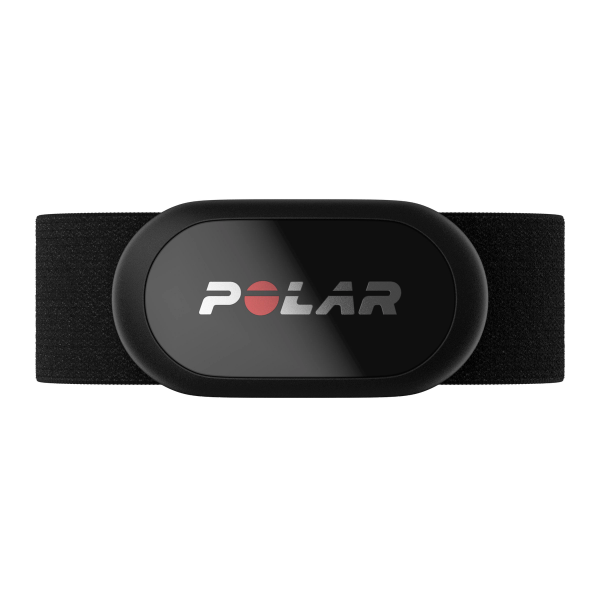
Around $89.95 (September 2026) · Chest strap · Kudomax Score 9.3
When a university lab validates a new wearable, the device on the other side of the comparison is usually this one. The H10 reads your heart's electrical signal — the same principle as an ECG — so it doesn't care how sweaty you are, how hard you're gripping a barbell, or how fast your heart rate just jumped. It simply reports it, beat by beat.
It broadcasts Bluetooth and ANT+ at the same time, pairs with basically everything (Peloton, Zwift, gym cardio consoles, every training app we've tried), stores one session in onboard memory if you want to train phone-free, and runs over a year on a coin cell you replace for a few bucks — same guide covers the $13 strap swap that fixes most "dying H10" symptoms. The only honest knock: it's a chest strap. Some people never stop noticing the elastic band, and if that's you, the armbands below exist for a reason.
2. Amazfit Helio Strap — The One That Also Tracks Your Life
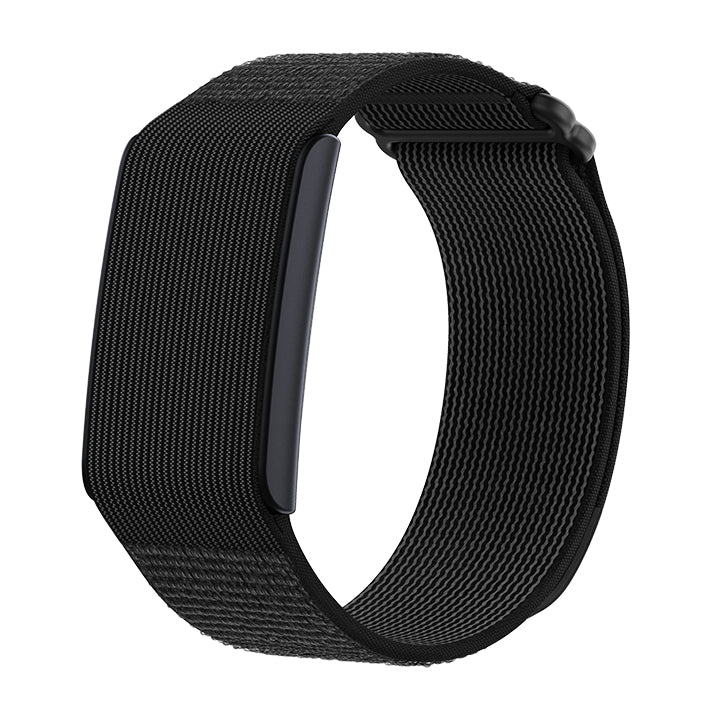
Around $99.99 (September 2026) · Wrist or upper arm · Kudomax Score 8.7
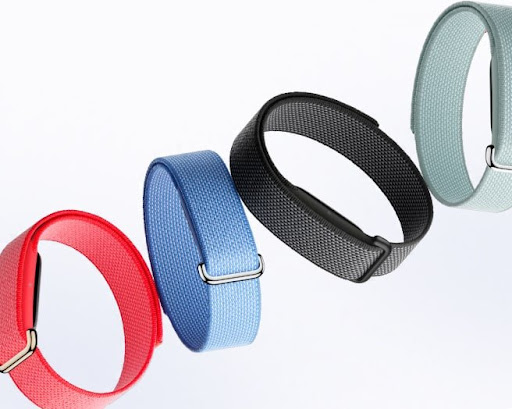
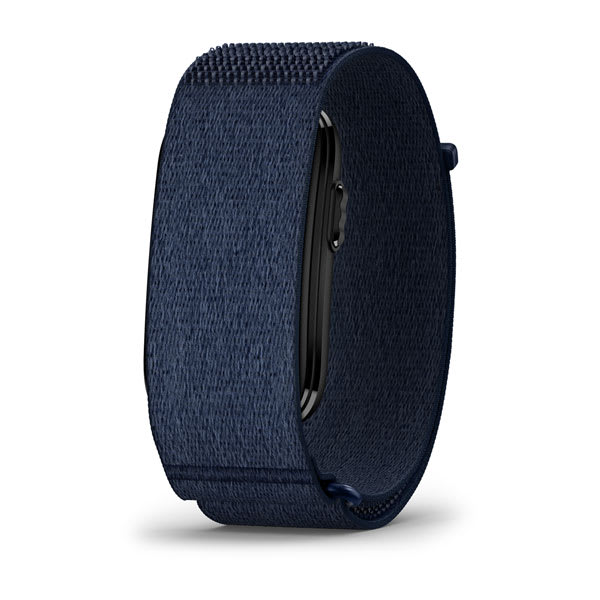
Everything else on this list is a workout accessory — you put it on to train and take it off after. The Helio Strap is the exception: a screen-free band you wear all day and night that also happens to be a serious gym tool. Worn on the upper arm it holds signal through intervals, it broadcasts live heart rate to gym equipment, it counts reps and rest in strength workouts, and it's the only device we know of with a dedicated HYROX Race mode — a real answer for the fastest-growing fitness sport going.
Between sessions you get sleep, recovery and exertion scores in the free Zepp app, with a 10-day battery. If you're choosing exactly one device from this page and you don't already own a daily tracker, this is the one. Our full Helio Strap review covers the trade-offs, and if you want it on your bicep for lifting, our Helio Strap bands guide sorts out the official arm band versus the $9 Amazon versions.
3. Polar Verity Sense — Chest-Strap Accuracy, Armband Comfort
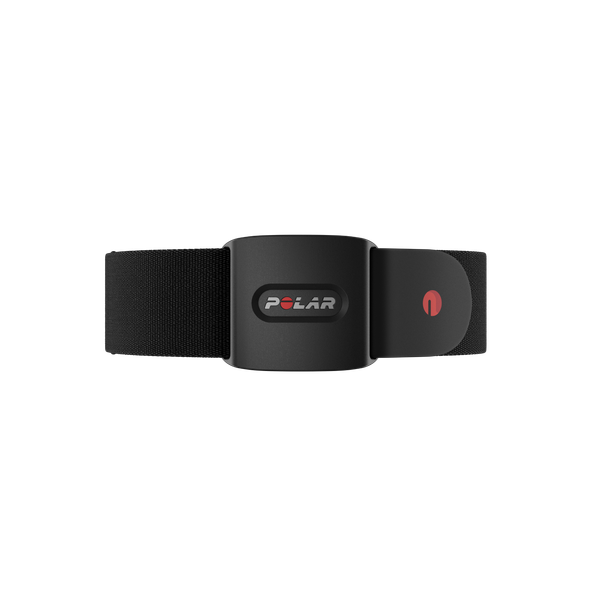
Around $104.95 (September 2026) · Upper arm · Kudomax Score 8.8
Polar's own answer to "I believe you about accuracy, but I'm not wearing a chest strap." The Verity Sense is an optical sensor on an upper-arm band — a location with better blood flow and far less flexing than the wrist — and in our reading of the published comparisons it tracks the H10 closely enough that most people will never see the difference.
Details worth knowing: it swims (there's a goggle-strap clip in the box and it's water-rated for pool sessions), it has onboard memory for phone-free training, battery runs long enough that you charge it weekly at worst, and it broadcasts Bluetooth + ANT+ simultaneously. It feeds the same free Polar Flow platform as the Polar Loop, so the two make a tidy no-subscription pair.
4. COROS Heart Rate Monitor — The $79 Workhorse
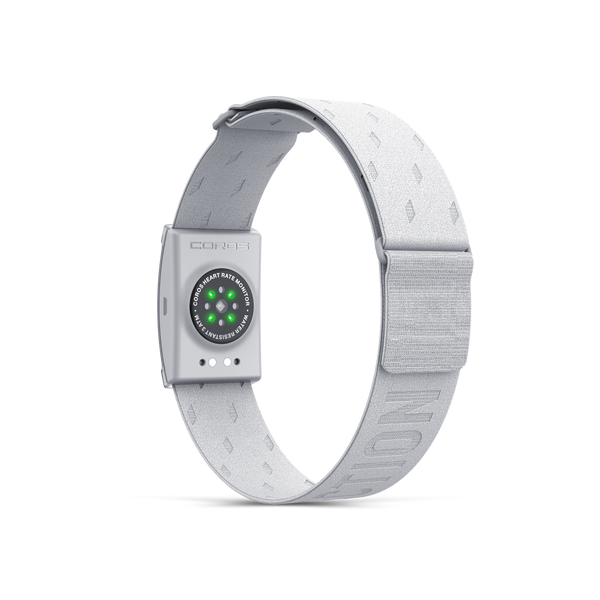
Around $79 (September 2026) · Upper arm · Kudomax Score 8.5
COROS built its reputation on ultralight GPS watches with absurd battery life, and its armband HRM carries the same personality: one job, done efficiently, priced under everyone else. You get 38 hours of training per charge, auto-detection that turns it on when you slide it up your arm, and Bluetooth broadcasting to up to three devices at once — watch, phone and gym console simultaneously.
What you give up versus the Verity Sense is swimming support and onboard memory; it wants a connected device nearby. For the lifter or runner who just needs accurate beats-per-minute into their app of choice for the least money, that trade reads like a bargain.
5. Garmin HRM-Pro Plus — For People Already in Garmin's World
Around $129.99 (September 2026) · Chest strap · Kudomax Score 8.4
If a Garmin watch — or the screen-free Garmin Cirqa — is already on your wrist, the HRM-Pro Plus is the strap that makes the whole ecosystem smarter. Beyond H10-grade heart rate it captures running dynamics (ground contact time, vertical oscillation, stride length), estimates pace and distance indoors better than wrist GPS ever could, and quietly syncs steps and intensity minutes when you wear it without the watch.
One more Garmin option worth knowing about: the HRM-Fit (~$149.99) clips directly onto a medium- or high-support sports bra instead of wrapping around your torso — a genuinely different design for women that no other brand on this list offers. Neither strap requires a subscription; everything lands free in Garmin Connect.
The 5 Gym Heart Rate Monitors Side by Side
| Monitor | Price (September 2026)* | Wear | Sensor | Battery | Best for |
|---|---|---|---|---|---|
| Polar H10 | ~$89.95 | Chest | ECG-based | ~1 yr (coin cell) | Maximum accuracy |
| Amazfit Helio Strap | ~$99.99 | Wrist/arm | Optical | 10 days | HYROX + 24/7 recovery |
| Polar Verity Sense | ~$104.95 | Upper arm | Optical | ~30 hrs training | Comfort + swimming |
| COROS HRM | ~$79 | Upper arm | Optical | 38 hrs training | Budget accuracy |
| Garmin HRM-Pro Plus | ~$129.99 | Chest | ECG-based | ~1 yr (coin cell) | Garmin ecosystem |
*Reference prices at the time of writing; check live listings.
Chest, Arm or Wrist — Which Should You Actually Wear?
Chest straps win on raw accuracy. They read electrical signal, not blood flow, so rapid intervals and white-knuckle grip strength don't faze them. The cost is comfort: elastic around your ribs, a dab of moisture to get contact started, and a piece of gear you have to remember to pack.
Upper-arm optical bands are the sweet spot for most gym-goers. The bicep barely flexes compared to the wrist, blood flow is strong, and published head-to-heads consistently put good armbands within a couple of beats of a chest strap. If a chest strap has ever ended up in your drawer, buy the armband — the most accurate monitor is the one you actually wear.
Want the research behind that ranking? Our heart rate accuracy guide walks through what the validation studies actually found for each wear position.
Wrist trackers are for everything around the workout. Sleep, recovery, all-day heart rate — that's where a band like the Fitbit Air earns its keep. Just don't trust any wrist reading mid-superset; that's the whole reason this page exists.
Does Dehydration Affect Your Heart Rate Reading Mid-Workout?
Yes, and it's usually not your monitor acting up. When you sweat out fluid and don't replace it, your heart doesn't get an easier job — it gets a harder one. It has to beat faster to push the same amount of blood through a smaller total volume, an effect exercise physiologists call cardiac drift. Polar's own research on cardiac drift found cyclists who drank nothing during a ride saw their heart rate climb about 10% over the session, while riders who matched their fluid intake to their sweat rate only drifted about 5% — roughly half of that rise was explained by hydration alone.
That's the part nobody mentions when a chest strap or armband starts reading "high" forty minutes into a lifting session or a long HYROX-style circuit and your pace hasn't changed at all. The strap isn't broken. Your heart is genuinely working harder to move less blood, because there's less blood in circulation to move. It's also why a monitor that reads rock-steady for the first ten minutes of a session can climb 8-10 beats by the end of an hour — same effort, thirstier body.
Before You Blame the Monitor, Check the Boring Variable
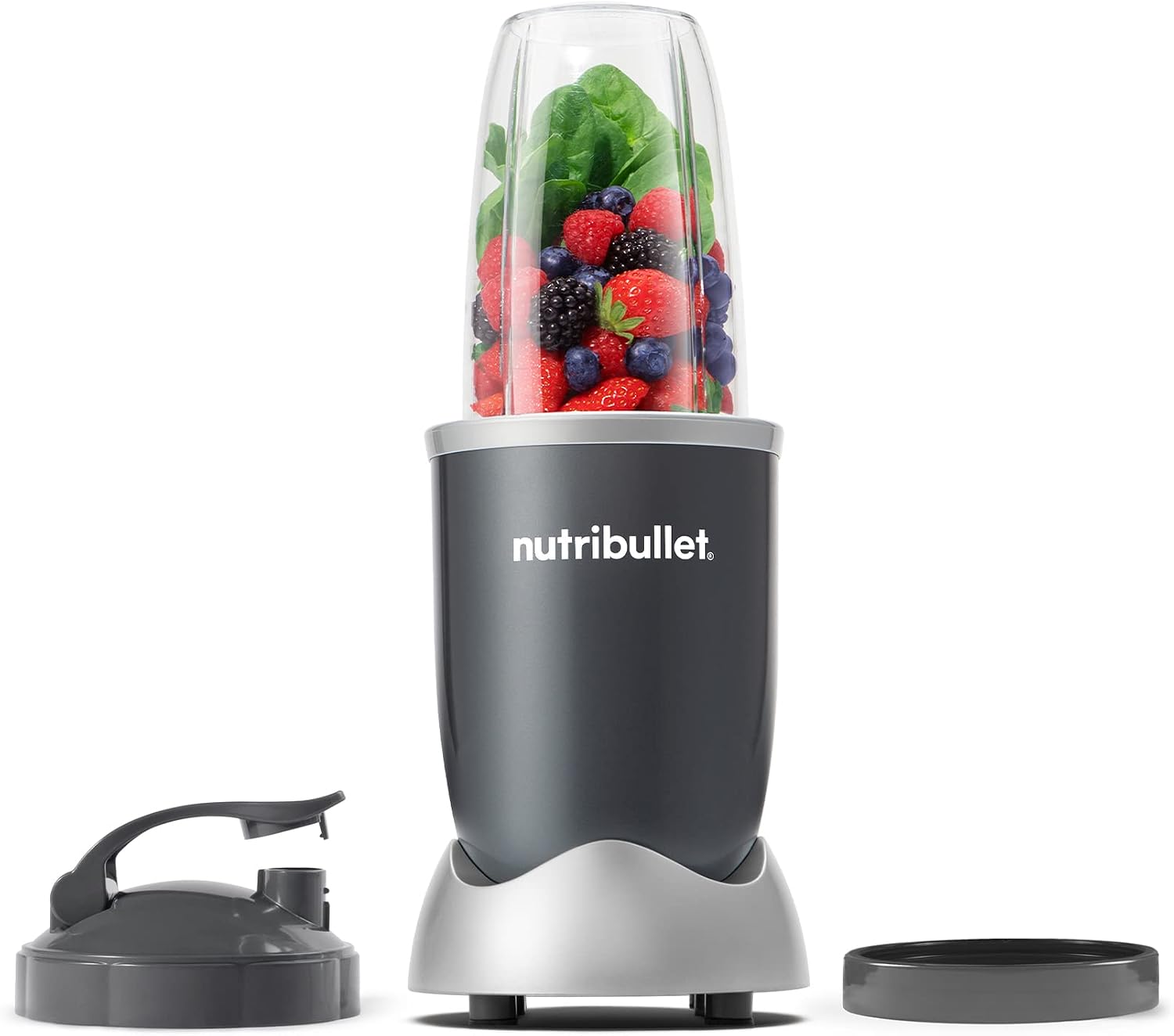
If a reading looks off mid-set, the fix usually isn't a new strap — it's whatever's sitting in your gym bag instead of in your hand. A bottle that logs intake automatically removes the guesswork of "did I actually drink enough today." The HidrateSpark PRO 2 tracks every sip and syncs to Apple Health, Fitbit, smart rings and watches — most of the same apps your heart rate monitor already talks to — so hydration shows up next to your workout data instead of living nowhere at all.
Gym Heart Rate Monitor FAQ
What is the most accurate heart rate monitor for the gym?
The Polar H10 chest strap. Its ECG-based sensor is the reference device sports scientists use to validate everything else, and it holds signal through lifts and intervals where wrist sensors lag.
Are chest straps more accurate than wrist trackers?
Yes — meaningfully so during intervals and strength work. Chest straps read electrical signal directly; wrist sensors read blood flow optically and get confused by wrist flexion and fast heart-rate changes. Upper-arm bands land close to chest-strap territory.
What heart rate monitor should I use for HYROX?
The Amazfit Helio Strap has a dedicated HYROX Race mode and stays put through wall balls and sled pushes on the upper arm. A Polar H10 is the alternative if you want raw data into another app.
Do any of these require a subscription?
No. All five work fully with free apps — Polar Flow, Zepp, COROS and Garmin Connect all include the relevant features at no monthly cost.
Can these broadcast to gym equipment and apps like Zwift?
Yes. All five broadcast over Bluetooth; the H10, Verity Sense and HRM-Pro Plus also do ANT+, which covers most treadmills, bikes, rowers and Zwift setups. The COROS HRM is Bluetooth-only and skips ANT+ equipment.
Sources
- Polar — Polar H10 heart rate sensor: ECG-based measurement, battery life and ANT+/Bluetooth connectivity.
- Polar — What Is Cardiac Drift and How It Affects Your Training: the hydration/heart-rate research cited above.
- Amazfit — Amazfit Helio Strap official product page: HYROX Race mode and upper-arm wear support.
- Polar — Polar Verity Sense official product page: battery life, ANT+/Bluetooth connectivity and swim rating.
- COROS — COROS Heart Rate Monitor technical specifications: battery life, wear detection and multi-device pairing.
- Garmin — HRM-Pro Plus official product page: running dynamics and ANT+/Bluetooth connectivity.