Smart Rings and Lifting: What Survives the Gym
Quick answer: Lifting with a smart ring on will scratch it — knurled barbells, dumbbell handles and machine grips act like fine sandpaper on a titanium shell, and Oura's own guidance is to take the ring off during high-friction activities. The two practical fixes are a silicone protector sleeve (roughly $10-15 for a multipack — see which Ring 5 covers actually fit) worn during training, or simply removing the ring for the session. Either way, don't count on ring heart rate mid-set: the finger is the worst place to read a pulse while you're gripping something. Wear a chest strap or armband to train, and put the ring back on for sleep — that's the job it's actually best at.
Nobody warns you about this at checkout. You spend $349 on a ring specifically because it's the tracker you never have to take off, you wear it to the gym like a normal person, and six weeks later there's a ring of fine scratches across the outside face where it met the bar. It still works perfectly. It just looks like it's been through something — because it has.
- Scratches are normal, not a defect. Titanium is tough but not scratch-proof; knurling wins.
- A $12 silicone sleeve is the cheapest insurance — wear it for the session, take it off after.
- Finish matters more than brand. Matte and brushed hide marks; polished shows everything.
- Ring heart rate is unreliable while lifting — that's physics, not a firmware bug.
Why Does Lifting Scratch a Smart Ring?
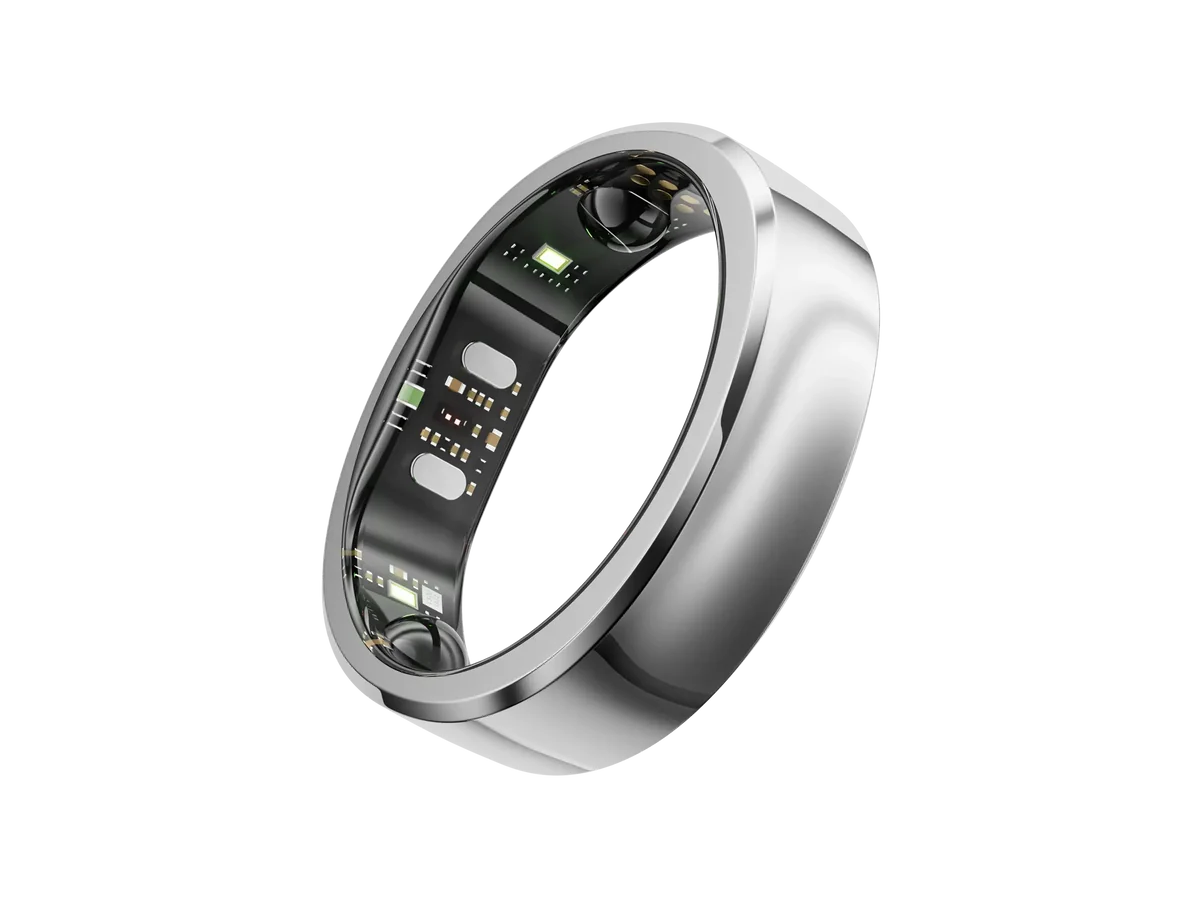
Because of what you're gripping. A barbell's knurling is a deliberately aggressive diamond pattern designed to bite into skin so the bar doesn't slip — hold a ring against that under a few hundred pounds of load and something has to give. Dumbbell handles, machine grips, chalk residue and rubber flooring all pile on. Titanium resists denting well; it does not resist being dragged across a metal file.
This is why Oura recommends taking the ring off for activities that create excessive friction, and why every ring brand's fine print says the same thing in different words. It's not a warranty trap — it's an honest limit of putting a sensor on the body part you use to hold heavy objects.
One under-discussed factor when you're buying: finish decides how much you'll notice. A polished silver or gold ring shows every micro-scratch under bathroom lighting. Matte black and brushed finishes scatter the same marks into invisibility. If you lift and you care how the thing looks, buy matte — it's the single highest-impact decision here, and it costs nothing.
Do Ring Protectors Actually Work?
For scratches, yes. A silicone sleeve slides over the ring and puts a sacrificial layer between metal and metal; the ones built for lifting concentrate the thickness on the outer face, which is where bars make contact. Multipacks run about $10-15 on Amazon, and losing one occasionally is expected — that's why they come in fours and eights.
Two honest caveats. A protector adds bulk, so a ring that already fits snugly can feel tight with a sleeve on — worth checking before you buy a size based on it. And a thick sleeve can lift the ring slightly, which is fine for the hour you're training (you shouldn't be trusting the data then anyway) but not something you want overnight. Use them as workout gear, not permanent armor.
Cheaper still: lifting gloves or grips. Anything that puts fabric between your hand and the bar solves the same problem, and plenty of people already own a pair.
Is a Smart Ring Accurate for Heart Rate While Lifting?
No, and no protector fixes that. A ring reads your pulse optically — light in, light out, blood flow inferred from what bounces back. Gripping something hard does two things at once: it restricts blood flow in the finger and it moves the sensor against your skin. Add the fact that heart rate during a heavy set swings faster than any smoothing algorithm expects, and the number you get is a guess.
Most rings also can't broadcast live heart rate to a gym console, a bike or an app, so even a perfect reading wouldn't reach the place you'd use it. Our heart rate accuracy guide walks through the validation research on each wear position — the short version is that the finger and wrist are the two worst places to measure during training, and the chest and upper arm are the two best.
What a ring is excellent at: the eight hours afterwards. Overnight resting heart rate, HRV, sleep staging, temperature trends. Dense blood flow, no motion, hours of clean signal. That's the strongest case for owning one, and lifting doesn't touch it.
What Should You Actually Wear to Train?
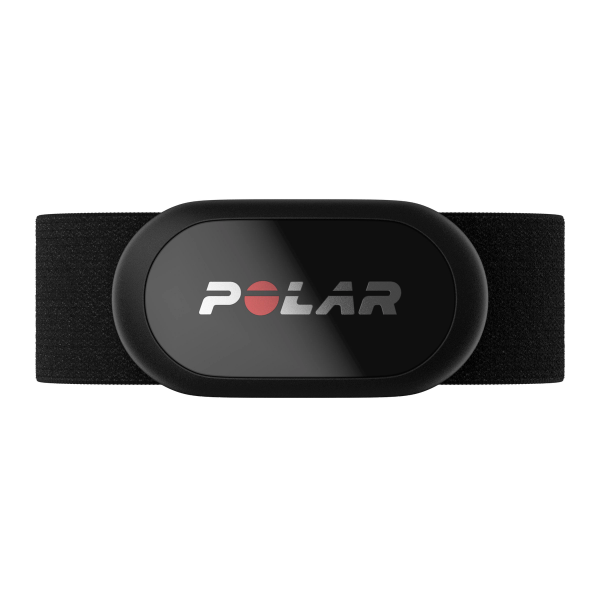
Take the ring off (or sleeve it), and put the measurement somewhere that works:
Polar H10 chest strap · around $89.95. ECG-based, which means it reads the heart's electrical activity rather than blood flow — completely unbothered by how hard you're gripping. It's the device labs use as the reference standard.
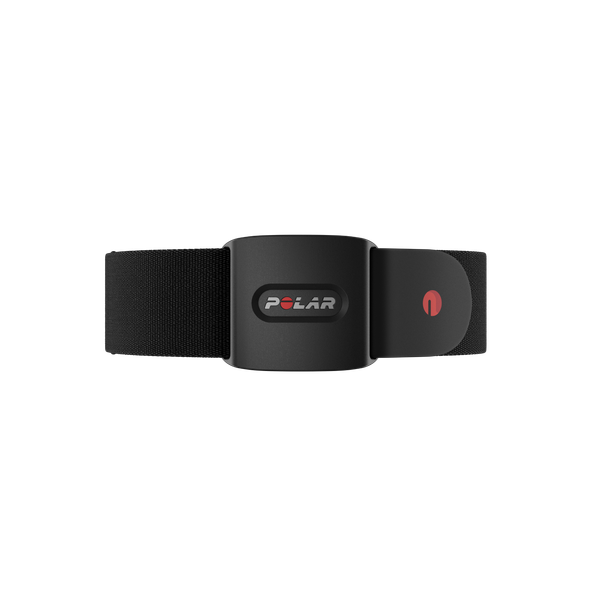
Amazfit Helio Strap · around $99.99. Worn on the upper arm, where there's strong blood flow and almost no flexion. It also counts reps and rest in strength workouts and has a HYROX race mode, and it keeps tracking sleep and recovery afterwards — which makes it the closest thing to a one-device answer for a lifter. Our full review has the details.
If you want the full ranking by use case, the best gym heart rate monitors guide covers five options from $79 up, none with a subscription.
Which Smart Rings Hold Up Best?
| Ring | Price (September 2026)* | Subscription | Gym-friendly finish | Notes for lifters |
|---|---|---|---|---|
| RingConn Gen 3 | ~$349 | None | Matte black; brushed silver/rose gold | Matte hides marks best; sizes 6-15 fit bigger hands |
| RingConn Gen 2 Air | ~$199 | None | Matte | Cheapest to risk in a gym; less to lose |
| Amazfit Helio Ring | ~$110-150 | None | Matte titanium | Marketed at athletes; pairs with Helio Strap in one app |
| Oura Ring 5 | $399+ | $5.99/mo | Depends — polished finishes scratch visibly | Oura advises removing during high-friction activity |
| Samsung Galaxy Ring | ~$399.99 | None | Matte titanium | Android only; same scratch physics |
*Reference prices at the time of writing; check live listings.
Note what this table doesn't say: no ring is meaningfully more scratch-proof than the others. They're all titanium. Buy for the data, the battery and the absence of a monthly fee — then buy the right finish and a $12 sleeve. See how each one ranks overall, not just for the gym, in our overall tracker rankings.
A Simple Gym Routine for Ring Owners
- Sleeve it or shelve it before you touch a bar. Pick one habit and keep it — the people who lose rings are the ones who improvise.
- If you take it off, it goes in the same pocket every time. Rings in gym bags disappear; rings in a zipped pocket don't.
- Strap on the chest belt or armband for the actual session, so your heart-rate data is worth something.
- Ring goes back on right after. Recovery and sleep are the metrics it wins at, and they start the moment you leave.
- Rinse and dry the ring after chalky or sweaty sessions. Grit under a protector is its own kind of sandpaper.
Smart Rings & Lifting FAQ
Can you lift weights with a smart ring on?
Yes, but expect scratches from knurling and machine grips — Oura explicitly recommends removing the ring during high-friction activity. A silicone protector or simply taking it off for the session are the two real options.
Do ring protectors work?
For scratch protection, yes, and they cost around $10-15 per multipack. They don't improve accuracy, and a bulky sleeve can affect fit — treat them as workout-hour gear rather than all-day wear.
Is ring heart rate accurate during weight training?
No. Grip restricts blood flow and moves the sensor, and most rings can't broadcast live heart rate anyway. Use a chest strap or armband to train; the ring's strength is overnight recovery data.
Which ring is most durable for the gym?
They're all titanium, so the difference is finish, not brand. Matte and brushed finishes hide scratches dramatically better than polished ones.
Should I wear a ring or a band for lifting?
For the session itself, neither — both are optical sensors that struggle under grip. Wear a chest strap or upper-arm band, then go back to the ring for sleep and recovery.
Sources
- Oura — Caring for Your Oura Ring: official guidance to remove the ring during high-friction activities like weightlifting.
- RingConn — RingConn Gen 3 official product page: sizing range and battery life.
- Polar — Polar H10 heart rate sensor: ECG-based measurement, unaffected by grip strength.