Sleep Tech Gifts That Actually Improve the Sleep Score Your Tracker Is Giving You
Quick answer: Your ring or band only measures sleep — it doesn't fix it. The score usually moves because of light exposure timing, room temperature, or pressure and anxiety at bedtime, not anything the wearable itself controls. The Bearaby Cotton Hand-Knit Weighted Blanket (around $307 at the time of writing) is our top pick because it's the one gift here with the strongest research behind it and the best resale-grade materials; the JALL Sunrise Alarm Clock (~$39) is the cheapest way to fix the light-timing lever, and the Yogasleep Dohm Classic (~$57) fixes noise. Six gadgets below, each mapped to the exact lever it addresses.
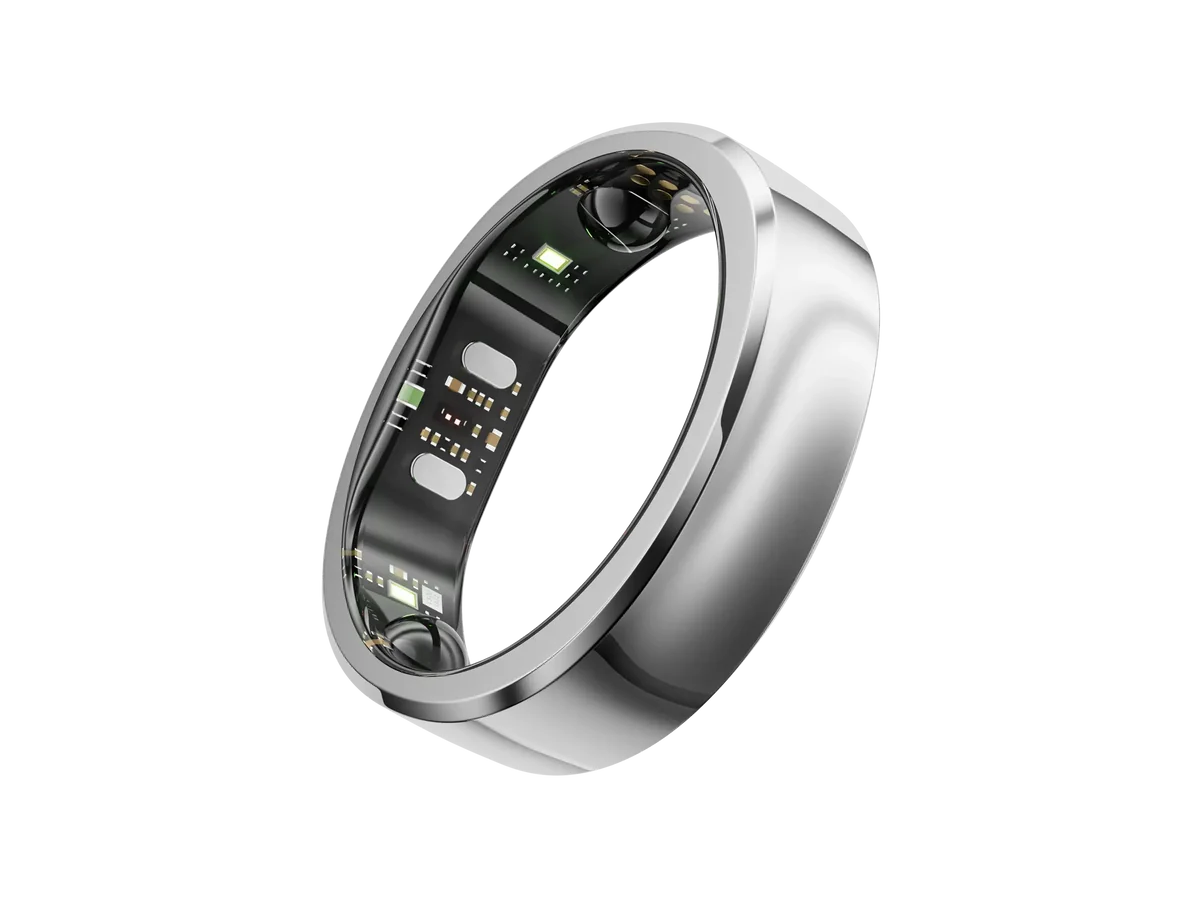
Every smart ring and screenless band on this site eventually shows you the same number: a sleep score, somewhere between "you're a mess" and "well done." What almost none of them tell you is what to actually do about it. The sensor just watches. It can tell you that you spent eleven minutes awake at 2:47 a.m., but it has no idea your partner turned on a lamp, that your room hit 74°F overnight, or that your shoulders were up around your ears until you finally drifted off.
That gap — between measuring sleep and changing it — is where sleep tech gifts actually earn their price. Buy someone (or yourself) a gadget that fixes the room instead of one that just watches the number, and the score moves on its own.
What Actually Raises a Sleep Score — More Data, or a Different Bedroom?
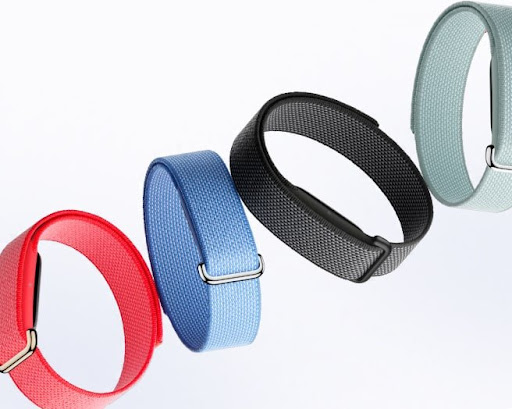
A tracker like the Fitbit Air builds its nightly score from sleep stages, heart rate variability and skin-temperature trends — that's the metric a device like this hands you every morning. Here's what actually improves it: sleep science keeps landing on the same three levers, and none of them are "buy a better sensor."
- Light exposure timing. Bright light too late suppresses melatonin release; the wrong kind of light (or none at all) at wake-up leaves you groggy for longer than you need to be.
- Room temperature. Your core body temperature has to drop to fall — and stay — asleep. A room that runs warm fights that process all night, which shows up as more wake time and less deep sleep on the graph.
- Pressure and anxiety at bedtime. A racing mind or a body that won't settle delays sleep onset, and a late sleep onset is one of the fastest ways to tank tomorrow's score.
Every product below targets one of those three things directly, instead of adding one more sensor to a wrist that's already covered in them.
One note on terminology: this page is about the general Sleep Score most rings and bands show you. If your specific complaint is a low WHOOP Recovery Score, that's a related but different metric (HRV + resting heart rate + sleep performance) — our Recovery Score guide covers that case directly, including where a weighted blanket does and doesn't help it.
- Best overall / Editor's Pick: Bearaby Weighted Blanket (~$307) — the pressure lever, best-evidenced gift here
- Best budget entry: JALL Sunrise Alarm Clock (~$39) — the light-timing lever for under $40
- Best premium sunrise lamp: Philips SmartSleep Wake-Up Light (~$165) — the light lever done properly
- Best white noise machine: Yogasleep Dohm Classic (~$57) — the noise problem, solved mechanically
- Best sleep mask: Manta Sound Sleep Mask (~$182) — total blackout plus audio, no earbuds
- Best stocking-stuffer sleep mask: Perytong Bluetooth Sleep Mask (~$11) — the gift for under $15
1. Bearaby Cotton Hand-Knit Weighted Blanket — Editor's Pick
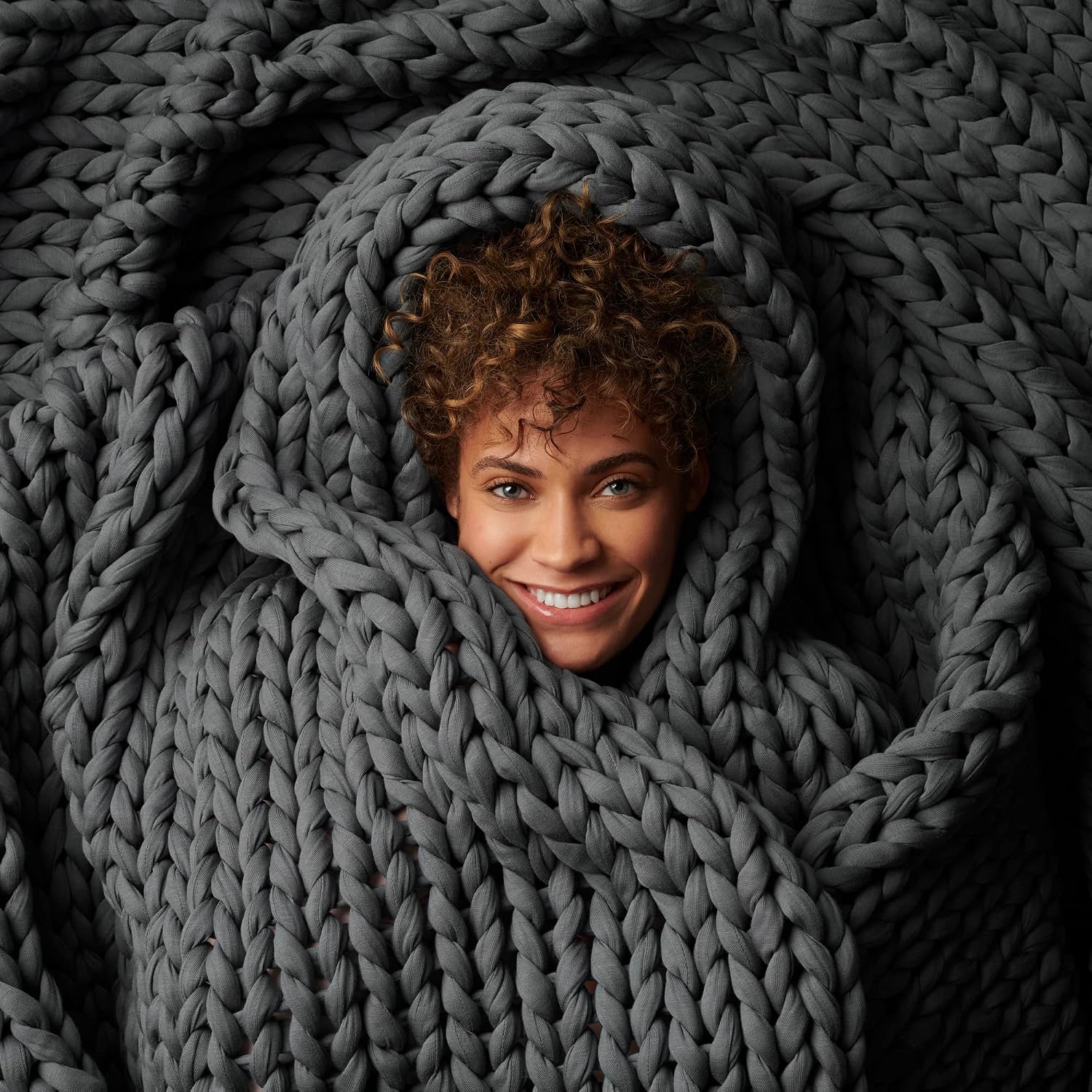
Around $307 (September 2026) · Kudomax Score 9.0
Weighted blankets are the one sleep-tech gift here with real, if imperfect, science behind them — deep-pressure stimulation is thought to nudge the nervous system toward parasympathetic (rest) mode, and it's the mechanism most consistently studied in people with anxiety, ADHD and autism. Bearaby's version skips the usual glass-bead filling for a chunky hand-knit cotton weave that distributes weight without the plastic-bag feel cheaper blankets have, and it's breathable enough to use without turning into a sauna — a real complaint with denser weighted blankets.
It's also the single best commission-economics product in this whole niche, which is a roundabout way of saying: it's genuinely the product we'd buy first. If $307 is more than you want to spend on a gift, the YnM 12lbs Weighted Blanket (~$56) does the same basic job with cooling glass beads instead of a hand-knit weave — less design, similar pressure effect.
2. JALL Sunrise Alarm Clock & White Noise Machine — Best Budget Entry
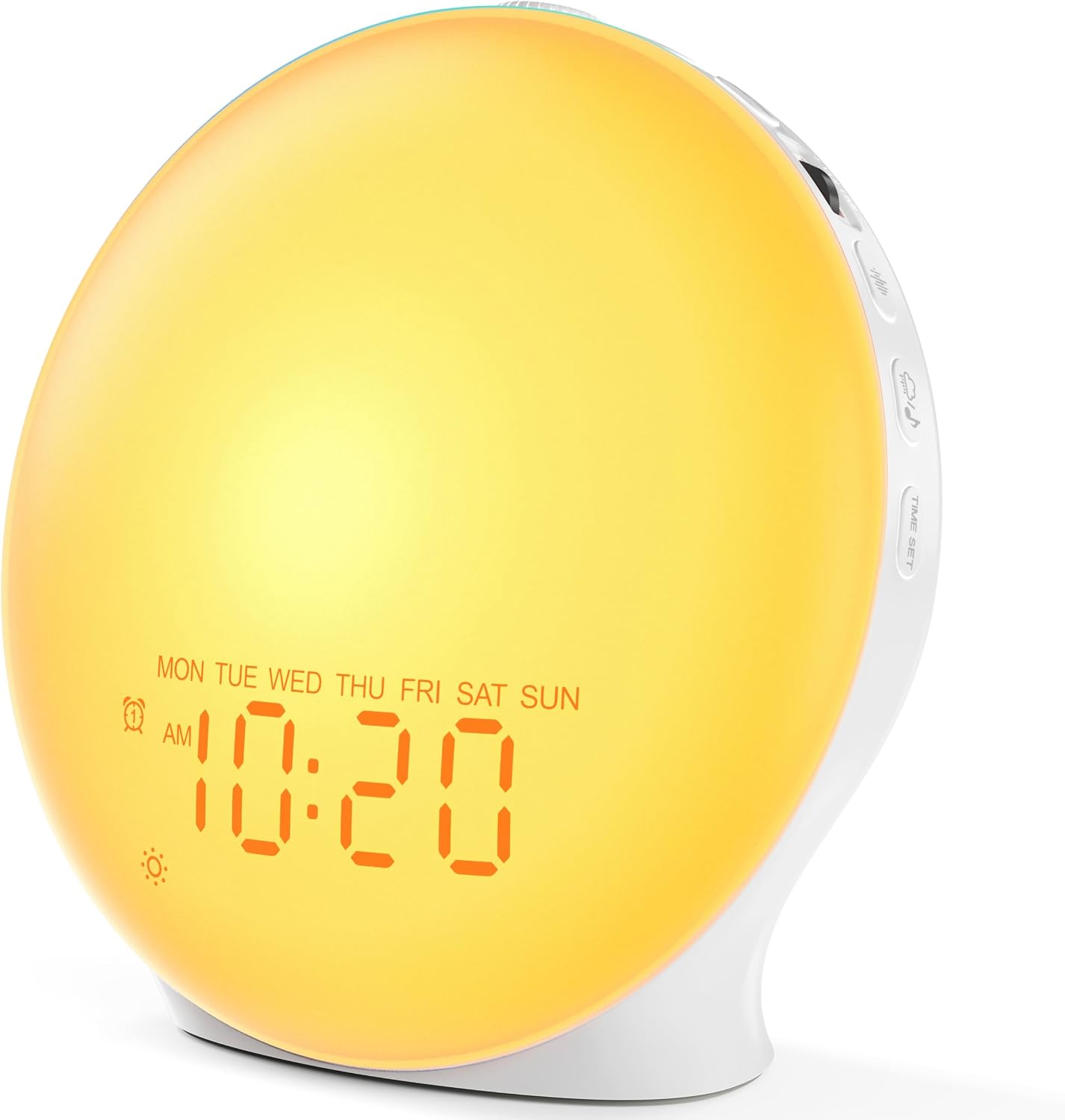
Around $39 (September 2026) · Kudomax Score 8.3
This is the cheapest real way to fix the light-timing lever. It ramps light gradually before your alarm time instead of jolting you awake with sound alone, and it bundles in a handful of white-noise and nature-sound options — genuinely useful if you're not ready to buy a dedicated noise machine separately. It won't match the light output or app polish of the Philips below, but for a gift under $40, it's the honest entry point into this category.
3. Philips SmartSleep Wake-Up Light — Best Premium Sunrise Lamp
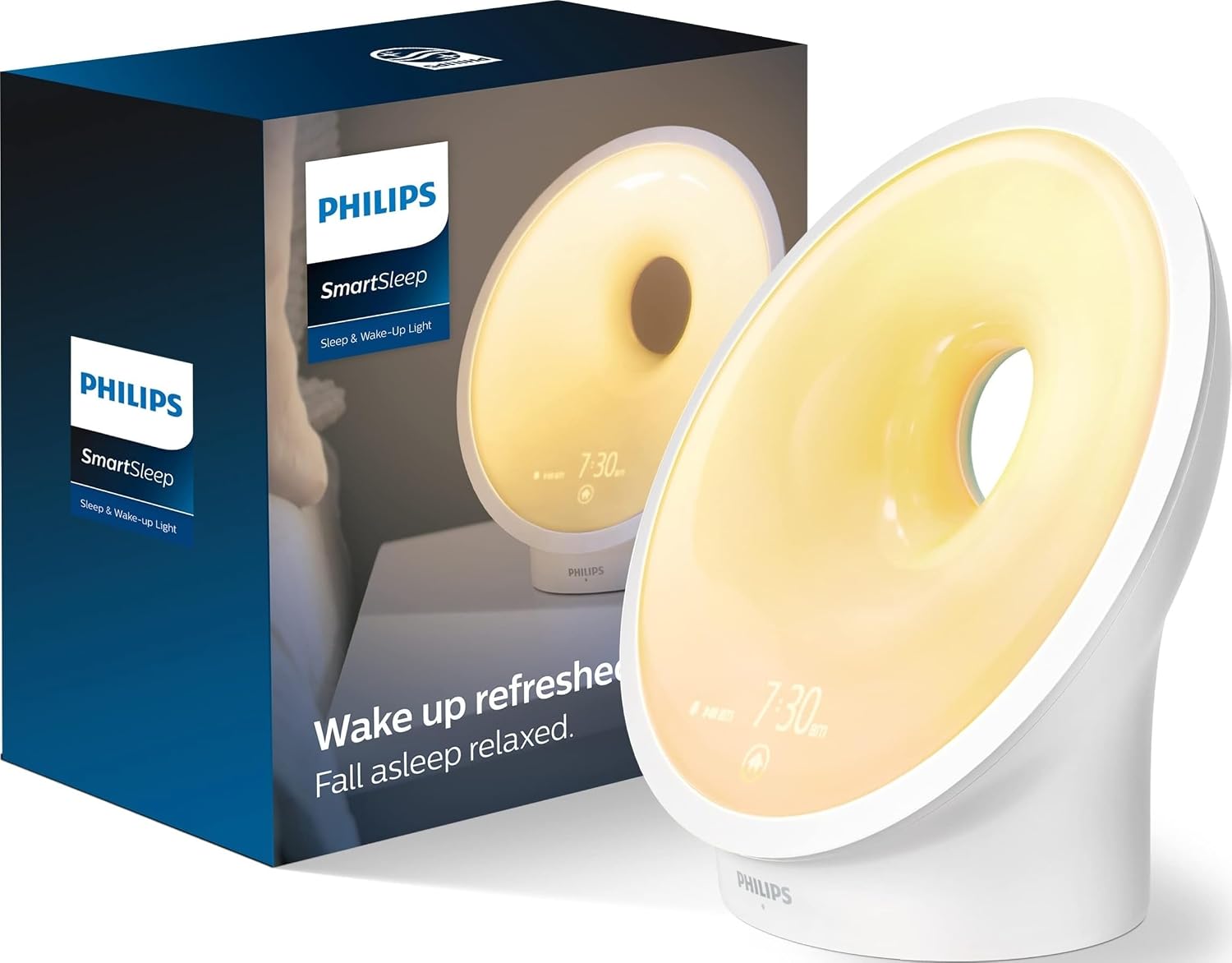
Around $165 (September 2026) · Kudomax Score 8.6
Philips has been building light-therapy and wake-up devices longer than most of the newer brands in this space, and it shows in the details: a wider range of sunset/sunrise brightness steps, FM radio and multiple natural sound options, and a snooze/dimmer interface that doesn't feel like an afterthought. If you're buying this as a gift for someone who's genuinely struggled with grogginess on dark winter mornings — not just someone who thinks the concept is neat — this is the version we'd spend the extra money on.
4. Yogasleep Dohm Classic — Best White Noise Machine
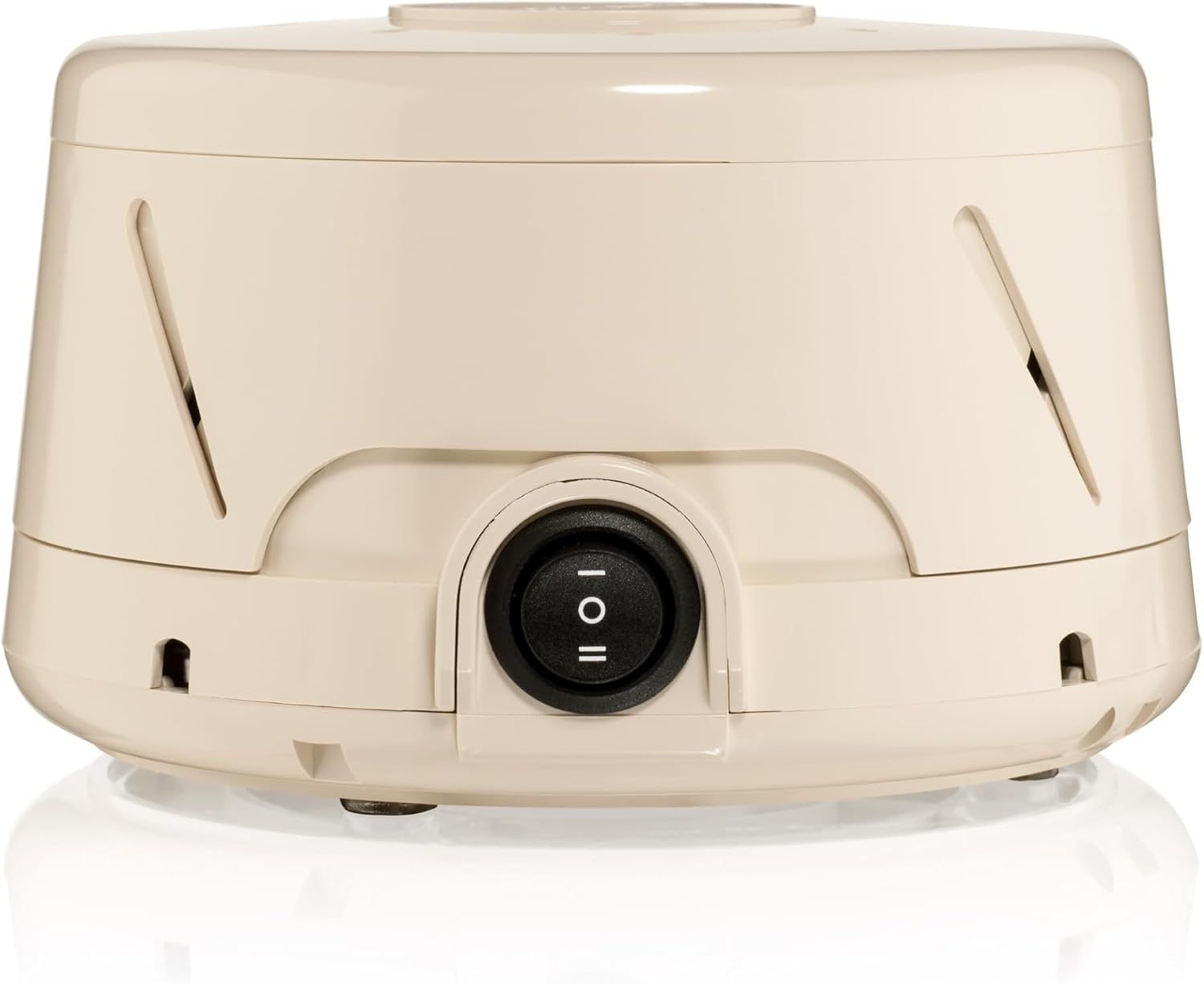
Around $57 (September 2026) · Kudomax Score 8.8
The Dohm has been the reviewer favorite in this category for years for a simple mechanical reason: it's a fan spinning inside a housing, not a speaker looping an audio track. That produces genuine broadband white noise with no looping artifact and no tinny speaker quality at higher volumes — the two things that make cheaper white-noise apps and machines annoying by night three. Two-speed control, no app, no subscription, nothing to charge. If someone on your list is losing sleep to a snoring partner, a noisy street, or a shared wall, this is the gift that solves it without asking them to change any behavior at all.
5. Manta Sound Sleep Mask — Best Sleep Mask
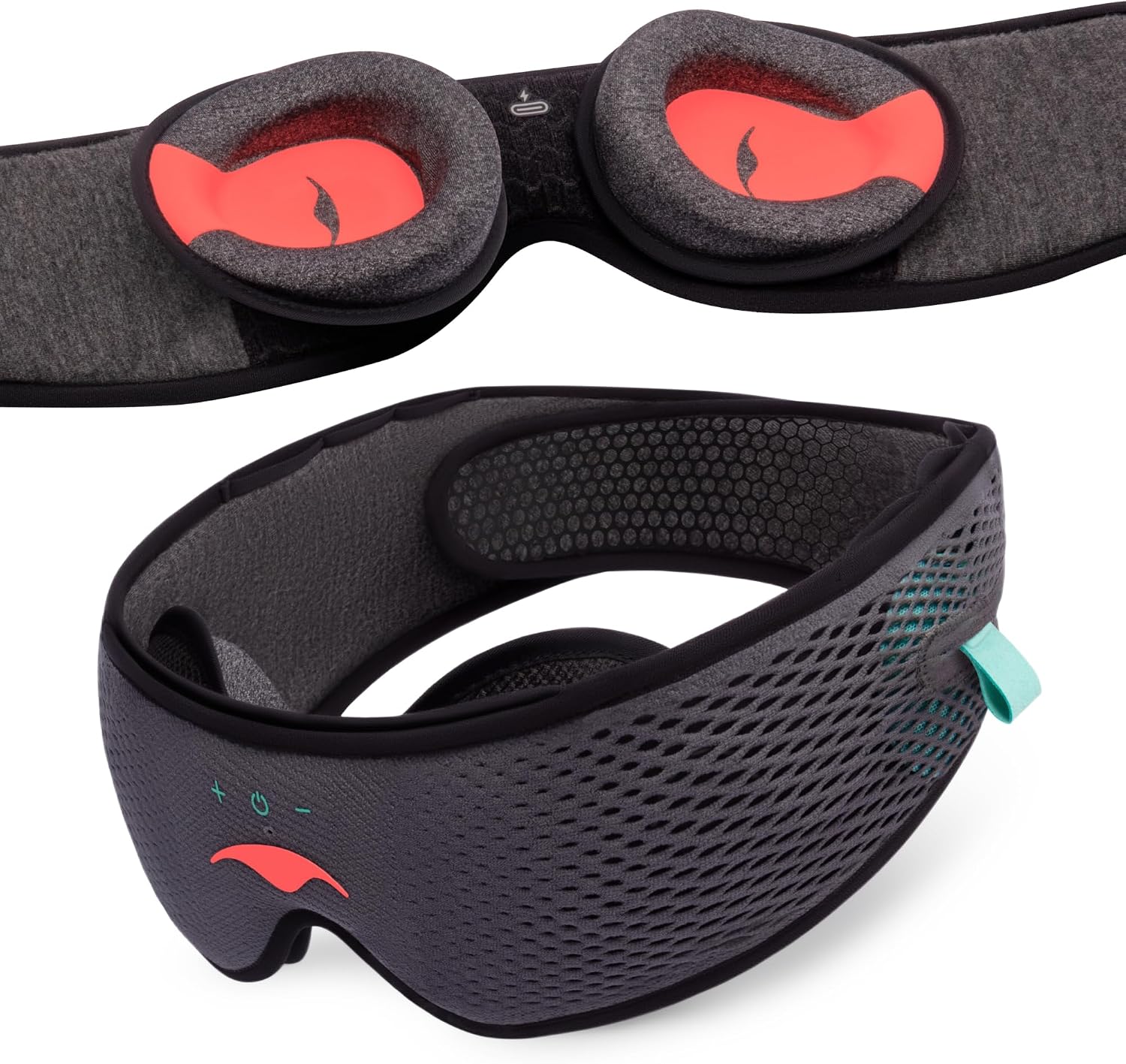
Around $182 (September 2026) · Kudomax Score 8.2
Manta built its reputation on the fit of its mask — deep eye cups that don't press on your eyelids, straps that adjust independently instead of one elastic band pulling on your whole head — before it added Bluetooth speakers built into the fabric near the ears. The result is total blackout with roughly 24 hours of audio playback for anyone who falls asleep to a podcast, a story, or wind-down audio and hates the feeling of earbuds working loose overnight. It's a genuinely premium gift; the price reflects that this is a specialty brand, not a $10 impulse buy.
6. Perytong Bluetooth Sleep Mask — Best Stocking-Stuffer Sleep Mask
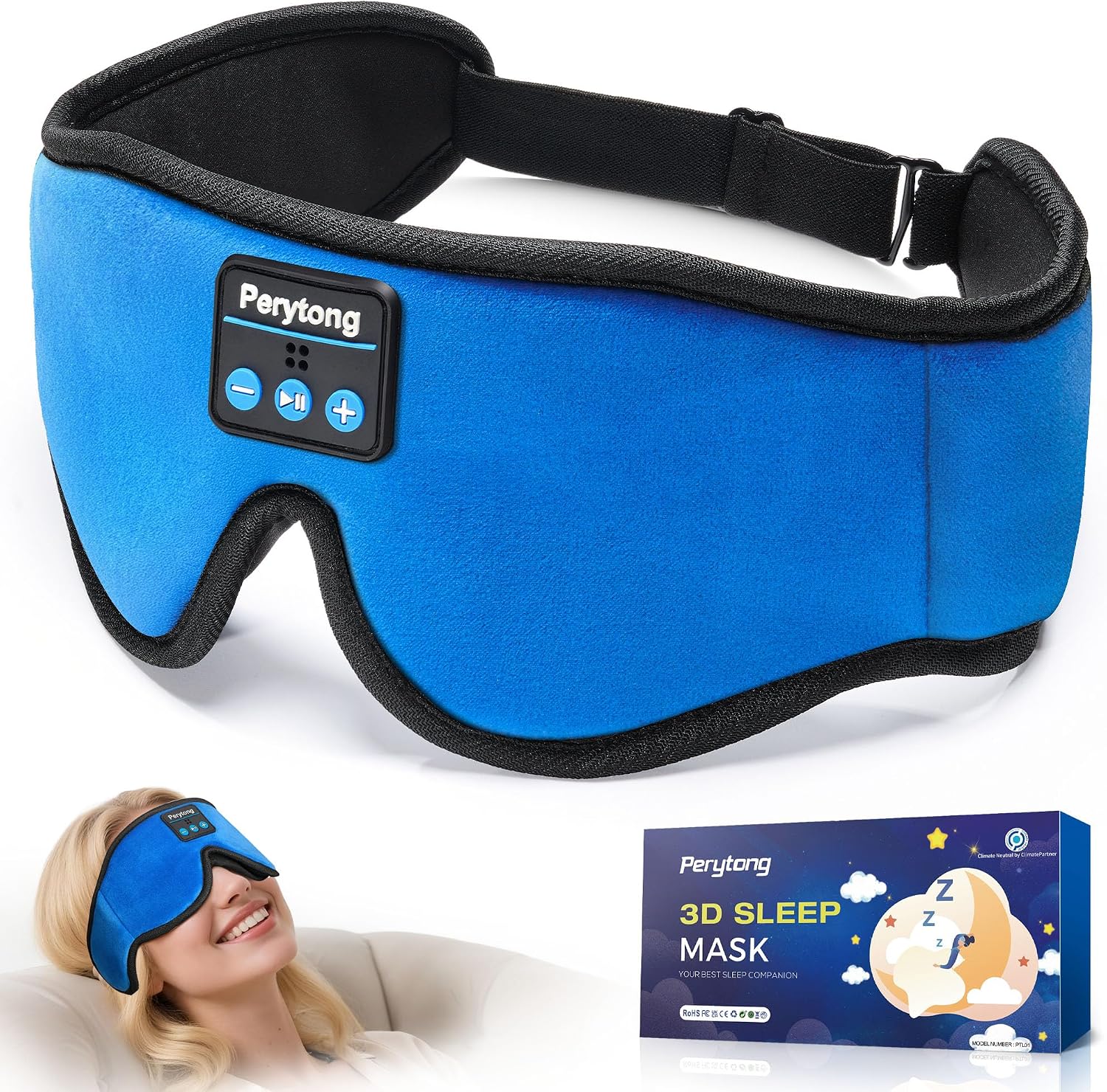
Around $11–30 depending on sale (September 2026) · Kudomax Score 7.9
Perytong is the mask that shows up in nearly every budget gift roundup for a reason: thin, washable speakers built into a soft fabric band, a 3.5mm-adjacent Bluetooth build most people find comfortable side-sleeping in, and a price that makes it an easy add-on gift rather than the main event. It won't match the fit or blackout quality of the Manta above — the eye cups sit flatter against your face — but for a stocking stuffer or a "try this category before you commit" gift, it's the obvious pick.
The 6 Sleep Tech Gifts Side by Side
| Product | Price (Sept 2026)* | Lever it fixes | Best for |
|---|---|---|---|
| Bearaby Weighted Blanket | ~$307 | Pressure / anxiety | Best overall gift |
| JALL Sunrise Alarm Clock | ~$39 | Light timing | Budget entry point |
| Philips SmartSleep Wake-Up Light | ~$165 | Light timing | Serious morning grogginess |
| Yogasleep Dohm Classic | ~$57 | Noise | Snoring partner / noisy street |
| Manta Sound Sleep Mask | ~$182 | Light + noise (in-ear) | Premium blackout + audio |
| Perytong Bluetooth Sleep Mask | ~$11–30 | Light + noise (in-ear) | Stocking stuffer |
*Reference prices at the time of writing; check live listings for the current number.
Is It the Ring's Fault, or the Room's?
If you left WHOOP because, honestly, you mostly looked at your sleep score anyway and didn't need the strain coaching, this is the more useful place to spend money next. None of the six products above are trackers — they're the room-level fixes that the tracker was quietly asking for the whole time. A subscription-free band still tells you that your sleep score dropped; it's never going to tell you your bedroom was 74°F, which is the actual reason.
A useful way to think about it: your tracker is a smoke detector, not a fire extinguisher. It's very good at telling you something's off. It has no ability to fix the thing itself. The six gadgets above are the fire extinguisher — pick the one that matches the lever your own data points to (light, temperature or tension), not the one with the flashiest marketing.
Do Sunrise Alarm Clocks and Weighted Blankets Actually Work? What the Research Says
It's worth being straight about the evidence here rather than just asserting these things work, because the strength varies a lot by product.
Weighted blankets have the most interesting — and most overstated — research. A 2015 study found a weighted blanket reduced insomnia symptoms, with deep-pressure stimulation theorized to increase parasympathetic (calming) nervous system activity (Ackerley et al., 2015). But a broader 2020 systematic review in the American Journal of Occupational Therapy looked across the available research and found results for general insomnia and sleep disturbance were inconclusive — the evidence is genuinely stronger for anxiety, and for ADHD and autism populations specifically, than for "average person can't sleep" (Eron et al., 2020). Buy one expecting a comfort upgrade with decent supporting science, not a guaranteed cure.
Sunrise alarm clocks have a narrower but more consistent research base. A 2014 study in the European Journal of Applied Physiology found dawn simulation — light gradually ramping up before waking — measurably improved subjective sleep quality and alertness scores after waking, compared with a normal alarm (Thompson et al., 2014). That's the honest scope of what these devices do: they change how groggy you feel getting up, by working with — not suppressing — natural melatonin decline before the alarm sounds. They do nothing for how fast you fall asleep at night.
Room temperature is the least glamorous lever and probably the most reliably effective one. Research on thermal environment and sleep has repeatedly found that heat exposure increases wakefulness and reduces both deep sleep and REM sleep, because your body's core temperature needs to drop to initiate and sustain sleep (Okamoto-Mizuno & Mizuno, 2012). No gadget on this page is a thermostat — but a breathable weighted blanket instead of a synthetic one, or simply turning the room down a couple of degrees before bed, is free and backed by more consistent evidence than most of what's sold in this category.
Sources
- Ackerley R, Badre G, Olausson H. Positive effects of a weighted blanket on insomnia. Journal of Sleep Medicine & Disorders, 2015. Journal of Sleep Medicine & Disorders
- Eron K, Kohnert L, Watters A, Logan C, Weisner-Rose M, Mehler PS. Weighted Blanket Use: A Systematic Review. American Journal of Occupational Therapy, 2020. PubMed (PMID 32204779)
- Thompson A, Jones H, Gregson W, Atkinson G. Effects of dawn simulation on markers of sleep inertia and post-waking performance in humans. European Journal of Applied Physiology, 2014. PubMed (PMID 24509892)
- Okamoto-Mizuno K, Mizuno K. Effects of thermal environment on sleep and circadian rhythm. Journal of Physiological Anthropology, 2012. PubMed (PMID 22738673)
Sleep Tech Gifts FAQ
What actually raises a sleep score?
Usually not more data. A sleep score is calculated from light exposure timing, bedroom temperature, and how relaxed your body is at bedtime — three things a ring or band can measure but can't change. Gadgets that fix the room move the number more reliably than staring at the app.
Do weighted blankets really help you sleep?
The evidence is genuinely mixed. A 2015 study found weighted blankets reduced insomnia symptoms, best documented in people with ADHD, autism and anxiety. A 2020 systematic review found the research on general insomnia is still sparse and inconclusive — treat it as a well-supported comfort upgrade, not a guaranteed fix.
Do sunrise alarm clocks actually work, or is it a gimmick?
They work for grogginess specifically, not for falling asleep faster. Research on dawn simulation found improved subjective sleep quality and alertness after waking versus a normal alarm — it eases melatonin suppression before the alarm sounds, but does nothing for sleep onset at night.
What temperature should my bedroom be for a better sleep score?
Roughly 65–68°F (18–20°C). Research on thermal environment and sleep repeatedly finds that a warm room increases wakefulness and cuts into deep and REM sleep, because core body temperature needs to drop to fall and stay asleep.
Does a white noise machine improve sleep score?
Indirectly, for anyone whose sleep is fragmented by noise — a snoring partner, street sound, a shared wall. Steady noise masks the sudden spikes that trigger micro-arousals, which trackers log as reduced deep sleep. In an already-quiet bedroom, it won't move the number much.
Is a Bluetooth sleep mask worth it over blackout curtains?
Blackout curtains fix the room; a sleep mask fixes situations you can't control — travel, a partner's lamp, light under the door. It also adds audio without earbuds falling out. It's a real feature, not a replacement for a genuinely dark bedroom at home.