Fitbit Air vs Charge 6: Which Fitbit Should You Actually Buy?
Quick answer: Buy the Fitbit Air (~$99.99, 12 grams, 7-day battery) if sleep, comfort and passive 24/7 health data matter more to you than workout stats — it needs no required subscription, just an optional 3-month Google Health Premium trial. Buy the Fitbit Charge 6 (~$159.95 list, often discounted, also a 7-day battery) if you want a screen, built-in GPS, on-demand ECG, EDA stress scans and Google Wallet on your wrist instead. If you already own a Charge 6, the Air is a sidegrade, not an upgrade — it strips out the screen, GPS and payments you're used to, in exchange for a 12-gram body you genuinely forget you're wearing. Neither device requires a subscription for its core data; the Charge 6 simply does more on your wrist, while the Air is built to disappear entirely.
Here's the confusing thing Google did this year: they released a cheaper Fitbit that does less — on purpose — and it became the most talked-about tracker of 2026. So now every Charge 6 owner, and everyone shopping for their first Fitbit, is asking the same question: is the new Fitbit Air the upgrade, or a downgrade with good marketing?
Honest answer up front: it's neither. They're two different products wearing the same logo. The Charge 6 is a classic fitness band — screen, GPS, buttons, stats on your wrist. The Air is a 12-gram sensor that disappears on your body and reports to your phone. Once you see it that way, picking between them takes about two minutes. Let's do it.
- Buy the Fitbit Air (~$99, July 2026) if sleep, comfort and passive 24/7 health data matter more than workout stats — or you already wear a watch and want a night-and-day background tracker.
- Buy the Charge 6 (~$159.95 list, often discounted) if you want to see your workout on your wrist: built-in GPS, 40 exercise modes, ECG, and Google Wallet.
- Already own a Charge 6? The Air is not your upgrade — it's a sidegrade that removes features you're used to. Switch only if you've realized you never look at the screen anyway.
What's the Real Difference Between the Air and the Charge 6?
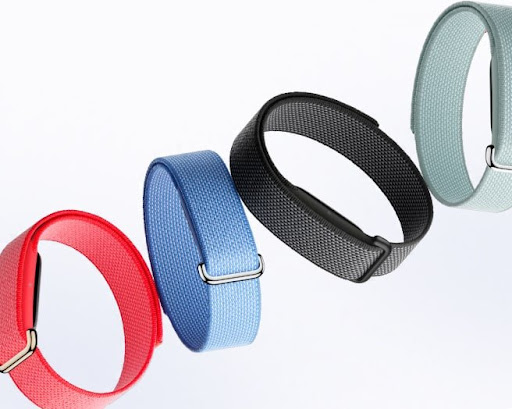
The Air has no screen. Not a small screen — none. No glancing at your heart rate mid-run, no checking the time, no timers, no notifications. A vibration motor handles silent alarms and a little LED tells you it's charging, and that's the entire user interface. Everything else lives in the Google Health app on your phone.
If reading that made you slightly anxious, you're a Charge 6 person, and no spec table will change it. If it sounded like a relief — one less glowing rectangle in your life — keep reading, because the Air was built precisely for you.
What the Charge 6 Does That the Air Can't
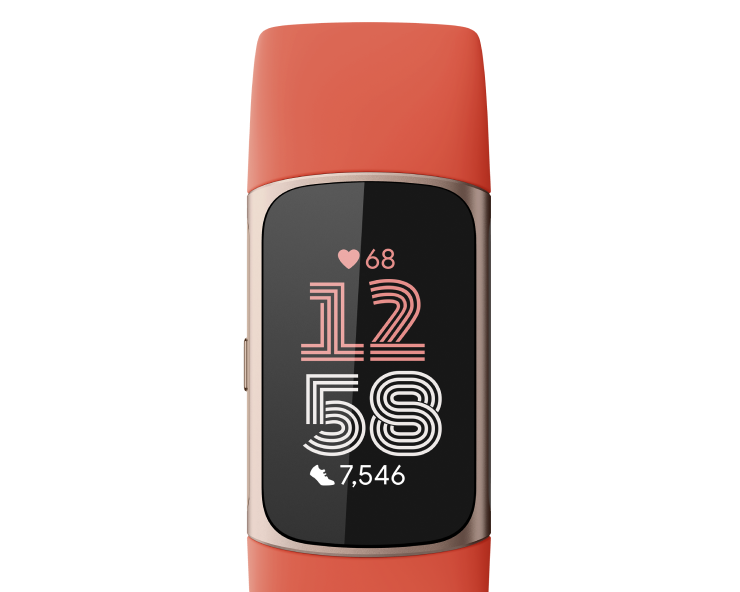
Quite a lot, actually — this is why we keep telling Charge 6 owners to slow down:
- Built-in GPS + GLONASS. Run, ride or hike phone-free with full route maps. The Air always borrows your phone's GPS.
- 40 exercise modes on the device. Start, watch and stop workouts from your wrist. Google's docs list 7 auto-detected activity types for the Air, but hands-on testing found reliable categorization for only about 5 — everything else, including most of the Charge 6's 40 modes, has to be started manually in the app.
- ECG and EDA sensors. On-demand heart-rhythm spot checks and stress scans. The Air keeps FDA-cleared passive AFib monitoring, but can't do a manual ECG reading.
- Google Wallet and YouTube Music controls. Pay for coffee, skip a song. The Air can do neither.
- Heart-rate broadcast to gym equipment — on both, actually, but the Charge 6 lets you see the number without looking at a treadmill console.
What the Air Does Better
- It weighs 12 grams. The Charge 6 is around 30g — light, but you always know it's there. The Air is in "forgot I'm wearing it" territory, which sounds like marketing until it's 3 a.m. and you're not fiddling with a band.
- Sleep tracking you'll actually stick with. Same sleep-stage engine, but no screen lighting up at night and nothing to snag on the pillow. In week-long side-by-side wear tests we've reviewed, the two produce nearly identical sleep scores — the difference is the Air gets worn every night.
- A 5-minute charge buys a full day. Both bands quote 7-day battery, but the Air fully charges in about 90 minutes versus roughly two hours, and its quick top-up habit fits the "never take it off" lifestyle.
- 15% better sensor accuracy than previous Fitbit trackers, per Google — plus heart rate stored at 2-second intervals, unusually fine-grained for a passive band.
- It costs around $99 (September 2026) — about $60 less than the Charge 6's list price, though the Charge 6's 2023 launch date means real street prices often close that gap. Check both listings before deciding on price alone.
Fitbit Air vs Charge 6: Side by Side
| Fitbit Air | Fitbit Charge 6 | |
|---|---|---|
| Price (September 2026)* | ~$99.99 | ~$159.95 list, often less |
| Screen | None — by design | AMOLED color touchscreen |
| Weight | 12 g | ~30 g |
| GPS | Phone-connected | Built-in GPS + GLONASS |
| ECG / EDA | No (passive AFib only) | Yes, both |
| Workout modes | 5 auto + 36 via app | 40 on-device |
| Payments / music | No | Google Wallet + YouTube Music |
| Battery | 7 days · 5-min charge = 1 day | 7 days · ~2h full charge |
| Subscription | Optional (3-mo trial included) | Optional (6-mo trial included) |
| Best for | Sleep, comfort, passive health | Workouts, on-wrist everything |
*Reference prices at the time of writing; both change frequently — check the live listings. Both devices use the Google Health app (the old Fitbit app has been retired) and work with iPhone and Android.
The Sneaky Third Option: Wear Both Jobs Differently
A pattern we keep seeing in owner forums: people keep their Charge 6 (or a smartwatch) for daytime and workouts, and wear an Air for sleep and recovery — Google has basically admitted the Air was designed to pair with a Pixel Watch this way. If that's you, the math changes: you're not choosing a winner, you're buying the Air as a $99 sleep-tracking add-on. One caveat from owner reports: the Air currently pairs happily alongside Pixel Watches, but plays less nicely as a second device with some non-Google watches — check compatibility with your setup first.
Who Should Buy Which Fitbit?
Get the Fitbit Air if you…
- Care most about sleep, recovery and all-day comfort
- Hate charging rituals and glowing screens at night
- Already wear a watch and want a background health tracker
- Want the cheapest serious entry into screen-free tracking — it's our Editor's Choice for a reason
Get the Charge 6 if you…
- Want workout stats, timers and controls on your wrist
- Run or ride phone-free and need real GPS
- Value on-demand ECG readings and stress scans
- Are upgrading from an older Charge and like it exactly as it is
Fitbit Air vs Charge 6 FAQ
Is the Fitbit Air a replacement for the Charge 6?
No — it's a different kind of device. You'd lose the screen, GPS, ECG, EDA and Wallet. Switch only if you've honestly stopped using those.
Which is better for sleep?
The Air, comfortably. Same sleep-stage engine, but 12 grams and no screen means it actually gets worn every night — and that consistency is what makes sleep data useful.
Does the Air have GPS or ECG?
No on-board GPS (it uses your phone's) and no manual ECG — though passive FDA-cleared AFib detection still runs in the background.
Do they need a subscription?
No. Core data is free in Google Health for both. Optional Premium adds AI coaching — 3-month trial with the Air, 6-month with the Charge 6.
Is the Charge 6 still worth it in 2026?
If you want a screen, yes — and being a 2023 device, it's regularly discounted below list price, which makes its hardware advantage even better value.
Sources
- Google — Get started with the Fitbit Charge 6: built-in GPS, ECG app availability and age/country restrictions.
- Google — Get started with Google Fitbit Air: Health Premium trial terms and free-tier feature scope.
- DC Rainmaker — Fitbit Air in-depth review: battery testing and passive AFib detection detail.