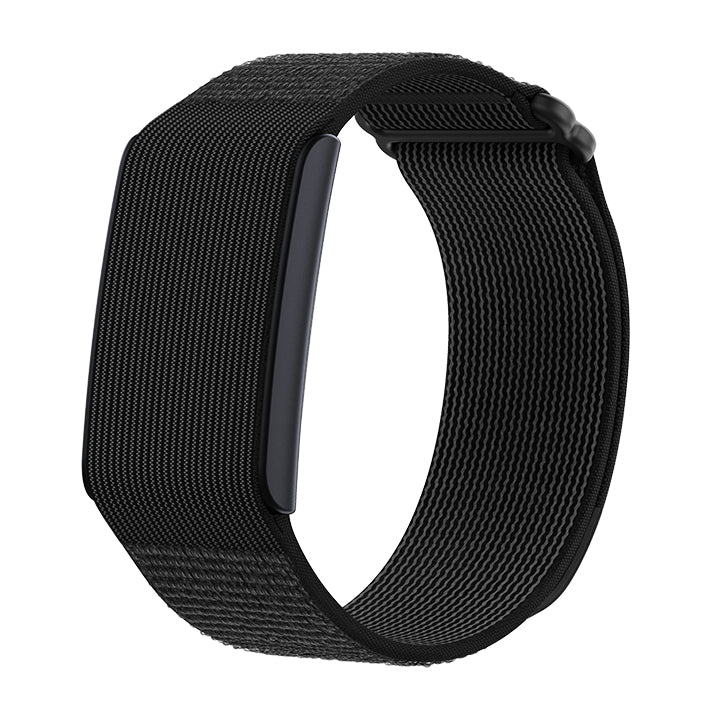
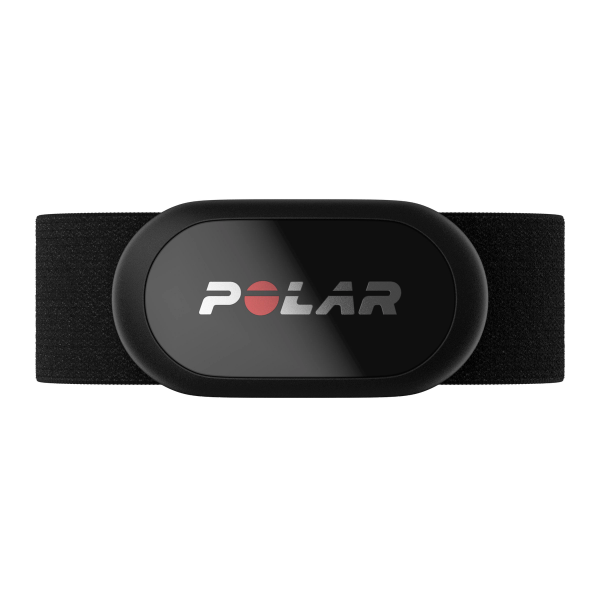
HSA/FSA-Eligible Fitness Trackers & Smart Rings (2026)
Quick answer: Fitness trackers and smart rings can be paid for with HSA or FSA money, but almost never just because you want one. The IRS treats them as dual-use items, so eligibility normally requires a Letter of Medical Necessity (LMN) from a licensed clinician tying the device to a diagnosed condition. Some brands — Oura and RingConn among them — build that step into their own checkout. Amazon generally won't take an HSA card for these, so the usual path is: buy it, get the LMN, file for reimbursement. Spending roughly 30% less in pre-tax dollars is real money on a $99-$399 device.
Every November, something predictable happens: people realize their FSA balance evaporates on December 31, and they go looking for something legitimate to spend it on. A health tracker feels like the obvious answer. Then they get to checkout, the HSA card bounces, and they give up — usually about $80 of tax savings short of where they could have been.
The rules aren't complicated. They're just badly explained by everyone who benefits from you not reading them.
- General wellness ≠ medical expense. A tracker bought "to get in shape" doesn't qualify on its own.
- An LMN changes the answer. A clinician documenting a condition — sleep apnea, AFib risk, hypertension, prediabetes — makes the same device eligible.
- Brand checkouts do the paperwork. Oura and RingConn both run HSA/FSA payment flows; several other brands work through Truemed.
- Amazon is a reimbursement play, not a card swipe. Pay normally, submit the itemized receipt plus LMN to your administrator.
Why Isn't a Fitness Tracker Automatically Eligible?
Because the tax code cares about why you bought something, not what it is. IRS Publication 502 defines medical expenses as costs for the diagnosis, cure, mitigation, treatment or prevention of disease.1 A device that serves a legitimate medical purpose and a personal one — the classic "dual-use" case — is only eligible to the extent it's used for the medical purpose, and you need documentation to show that.
That's the whole story. A blood pressure cuff is eligible with no argument, because nobody buys one for fun. A smart ring that also counts your steps needs a clinician to say, in writing, that you're using it to manage something specific.
What actually gets written on those letters, according to the platforms that issue them: monitoring cardiovascular health, managing a diagnosed sleep disorder, tracking biomarkers tied to metabolic conditions like prediabetes, and supporting recovery from chronic stress or musculoskeletal problems.2 If any of that is genuinely true for you, this is a normal, legal use of your own pre-tax money. If none of it is, don't force it — a rejected claim or an audit isn't worth $80.
How Do You Actually Pay With HSA/FSA Money?
Three routes, in order of how little hassle they involve.
1. Buy direct from a brand with an HSA/FSA checkout. RingConn takes HSA/FSA payment through Flex at its own store, and Oura offers an HSA/FSA path for rings, memberships and accessories.3 You select the option at checkout, the platform handles the eligibility screening, done. Downside: you pay brand-store price and lose Amazon's return window and Prime shipping.
2. Use a Truemed-partner brand. Truemed issues the LMN through a licensed clinician during checkout, and its partner list covers wearable brands including Oura, WHOOP, Garmin, COROS and Amazfit.2 Same trade: brand-store pricing, easy paperwork.
3. Buy wherever it's cheapest, then reimburse yourself. This is what most people should do. Amazon accepts HSA/FSA cards only on items flagged eligible in its FSA store, and trackers and rings generally aren't flagged — so pay with a regular card, keep the itemized receipt, get the LMN from your own doctor or a telehealth service, and file a claim with your plan administrator. It's one form and a PDF upload. You keep the lower price and the return policy.
One thing worth knowing before you choose: HSA money is yours forever, FSA money isn't. FSA funds are use-it-or-lose-it at the end of the plan year — December 31 for most people — with plans allowed to offer either a short grace period or a limited carryover, and plenty offering neither. That deadline is exactly why searches for this stuff explode every November.
Which Trackers and Rings Qualify in 2026?
Every device below is one we've evaluated on its own merits first — the tax treatment is a bonus, not the reason to buy.
| Device | Price (September 2026)* | Subscription | Easiest HSA/FSA route | Strongest medical case |
|---|---|---|---|---|
| Google Fitbit Air | ~$99.99 | None required | Buy + reimburse with LMN | AFib notifications, sleep, resting HR trends |
| RingConn Gen 3 | ~$349 | None ever | Brand checkout (Flex) or reimburse | Sleep apnea screening, vascular trends |
| Amazfit Helio Strap | ~$99.99 | None ever | Truemed partner or reimburse | Sleep, recovery, 24/7 heart rate |
| Garmin Cirqa | ~$199.99 | None ever | Truemed partner or reimburse | Sleep, stress, training readiness |
| Polar H10 | ~$89.95 | None ever | Reimburse with LMN | Prescribed cardiac exercise zones |
| WHOOP (membership) | from ~$199/yr | Required | Truemed / brand checkout | Continuous monitoring; ECG on MG tier |
*Reference prices at the time of writing; check live listings. Eligibility varies by plan and administrator.
The Best Pre-Tax Buy for Most People: Fitbit Air
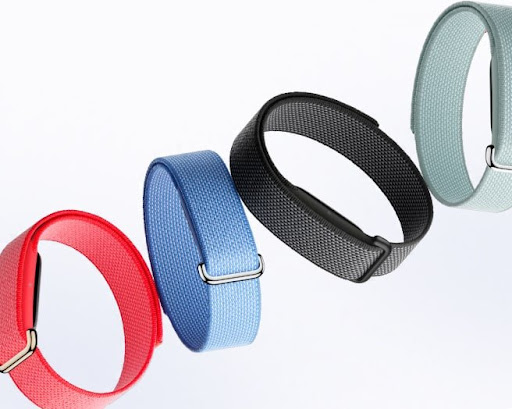
Around $99.99 (September 2026) · No required subscription · Kudomax Score 9.2
At $99 it's the least painful thing to front before reimbursement, and it carries the health features that make an LMN straightforward to justify: irregular heart rhythm notifications, overnight blood-oxygen and breathing data, resting heart rate trends and sleep staging. Twelve grams, seven-day battery, nothing to cancel later. Our full Fitbit Air review covers where it falls short.
The Best Pre-Tax Ring: RingConn Gen 3
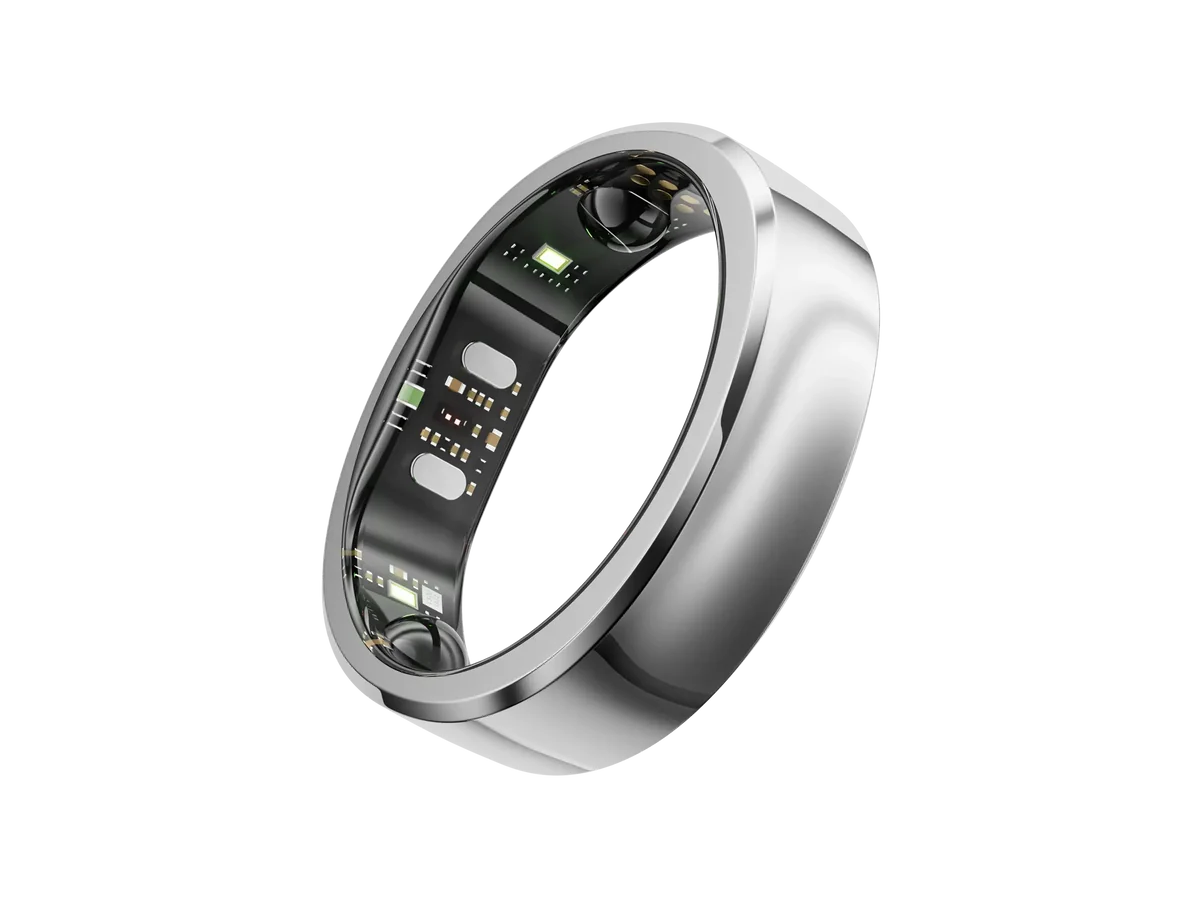
Around $349 (September 2026) · No subscription · Kudomax Score 8.8
The one device on this page that both takes HSA/FSA payment at its own checkout and never charges a membership. Sleep apnea screening and overnight vascular trends are the features that make the medical case, and a 10-14 day battery means it's actually on your finger for the nights that matter. If you're comparing against the obvious alternative, note that the ring with the $5.99 monthly fee will keep charging that fee long after this year's FSA balance is gone — our Gen 3 review and no-subscription ring roundup lay out the five-year math.
Where a Subscription Device Actually Wins
We spend most of this site arguing against monthly fees, so here's the honest counterpoint. A WHOOP membership is generally treated as an eligible expense because you're paying for continuous physiological monitoring rather than a gadget — which means the entire recurring cost can potentially come out of pre-tax dollars, year after year, instead of just one hardware purchase.
If you have a chronic condition your clinician is genuinely monitoring, and a fat HSA balance, that math can beat a one-time buy. For everyone else — the vast majority — the no-subscription device you own outright still wins, because year two costs nothing. Our WHOOP 5.0 vs MG breakdown has the tier-by-tier numbers if you want to run it yourself.
Six Mistakes That Get Claims Rejected
- No itemized receipt. A card statement line isn't enough; administrators want the item, date and amount.
- LMN dated after the purchase. Get the letter before or around the buy date, not in April when you're scrambling.
- Claiming the subscription and the hardware without checking. Some plans cover one and not the other.
- Assuming your HSA card works everywhere. Card declines at general retailers are the single most common failure point.
- Missing the FSA deadline. December 31 for most plans; check whether yours has a grace period or a carryover.
- Buying a device that doesn't support the diagnosis. If the letter cites sleep apnea, buy something that actually screens for it.
HSA/FSA Tracker FAQ
Are fitness trackers HSA or FSA eligible?
Conditionally. General fitness use doesn't qualify — the IRS treats trackers as dual-use items. A Letter of Medical Necessity from a licensed clinician, tying the device to a diagnosed condition, is what makes the expense eligible. Some brands run checkout flows that handle this step.
Can I use my HSA card on Amazon for a tracker?
Usually not. Amazon accepts HSA/FSA cards only on items flagged eligible in its FSA store, and trackers and rings generally aren't flagged. Pay with a normal card and file for reimbursement with the itemized receipt and your LMN.
Is the Oura Ring HSA eligible?
Oura offers an HSA/FSA payment path for the ring, membership and accessories, making it one of the simpler devices to buy pre-tax. Your plan still governs, so keep documentation. Note the membership is an ongoing cost the no-subscription rings don't have.
Does a WHOOP membership qualify?
It's commonly treated as eligible, since you're buying continuous monitoring rather than hardware. That's the one scenario where a subscription device can beat a one-time purchase on after-tax cost.
When does FSA money expire?
End of the plan year — December 31 for most people. Plans may offer a grace period into mid-March or a carryover of a limited amount, but not both, and many offer neither. HSA money never expires.
Sources
- Internal Revenue Service. Publication 502, Medical and Dental Expenses. irs.gov
- Truemed. Are Fitness Trackers FSA Eligible? 2026. truemed.com
- RingConn. Purchase With HSA or FSA Funds. 2026. ringconn.com